 By Juraj · Last updated August 15, 2026
This guide shows how to perform a forced DPF (Diesel Particulate Filter) regeneration on the VW Touran 2016 1.6/2.0 TDI EU6 through the Engine Control Module hot functions.
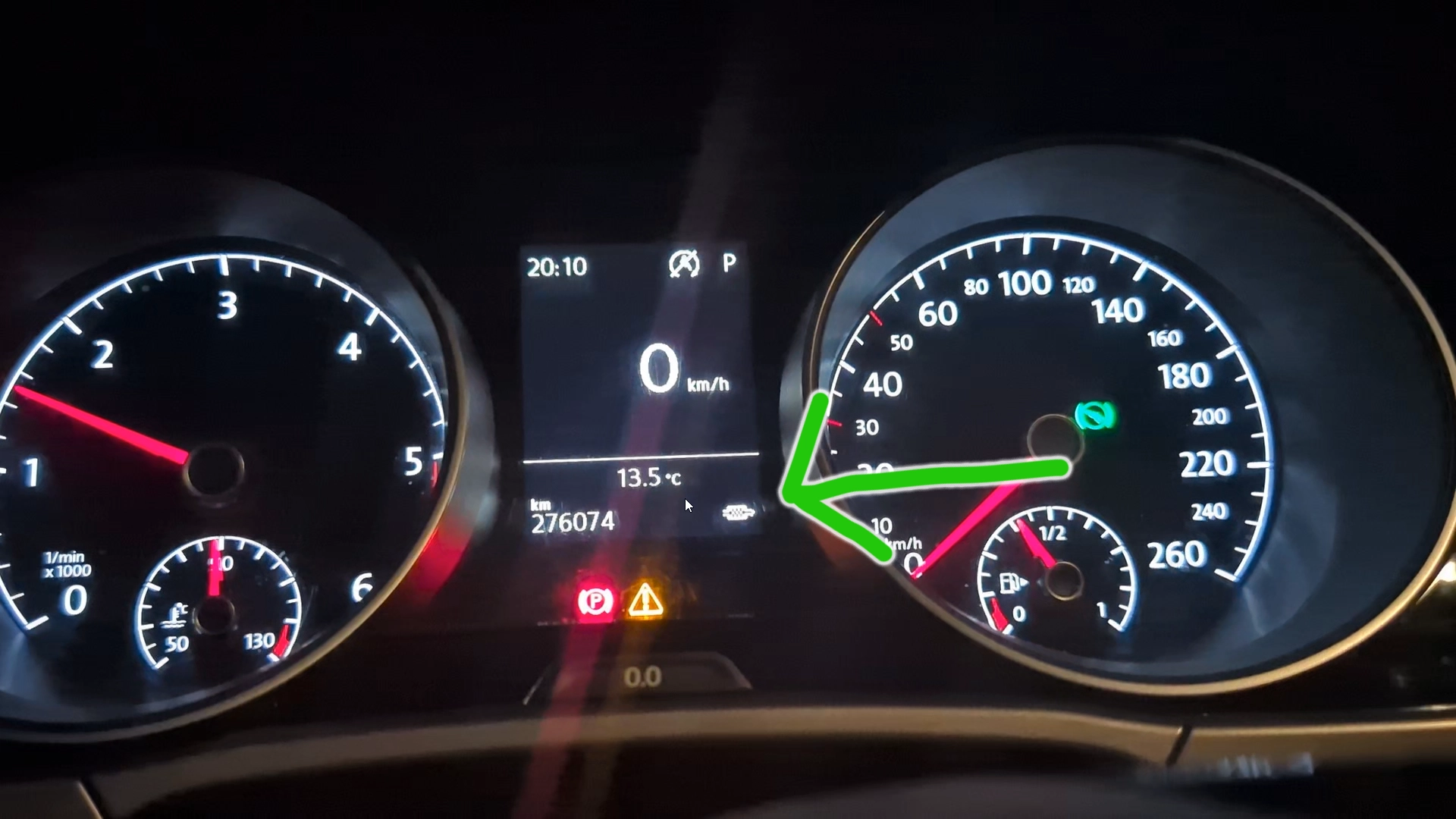
Forced regeneration burns off accumulated soot when passive or active regeneration hasn't completed typically triggered by DPF warning light, limp mode, or high soot mass readings.
I earn from qualifying purchases and sometimes get tools for free (full disclosure). It never affects my scoring.
Used tool in this guide

Video: How to perform forced DPF regeneration on VW Touran 2016
This video shows how to trigger and monitor a static forced DPF regeneration from the OBD port, including idle evaluation, differential pressure check, RPM behavior, and temperature monitoring through completion.
Supported vehicles
| Vehicle |
|---|
| touran-5t |
Technical overview
| Vehicle | VW Touran (Type 5T) 1.6 TDI EU6 |
|---|---|
| Year | 2016 |
| System | Engine Control Module 1 (Address 01) |
| Procedure type | Service regeneration, particle filter (hot function) |
| Difficulty | Medium |
| Time required | ~20-60 minutes |
| Prerequisites | Battery > 12.4 V, fuel ≥ ¼ tank, coolant at operating temp, transmission in P (auto) or N (manual), parking brake on, engine hood closed, outdoor/ventilated area |
Step-by-step procedure
Park safely
Park outdoors or in a well-ventilated area. Parking brake on, transmission in P (auto) or N (manual), engine hood closed. Exhaust temperature reaches up to 300 °C at the tailpipe - keep flammables away.
Connect the scanner
Connect the OBD2 scanner to the OBD2 port, switch ignition ON, and wait for VIN identification.
Open the engine hot functions
Navigate: Volkswagen → Automatic selection → Hot functions → Engine Control Module 1 → 01 - Engine electronics 1.6-2.0 TDI EU6.
Select Service regeneration, particle filter
Select 0001 - Service regeneration, particle filter.
Confirm the test requirements
Confirm test requirements (fuel ≥ ¼, parking brake set, hood closed, transmission in P/N) and read the safety warning about exhaust temperature. Press Done/Continue.
Evaluation at idle
Evaluation during idling: let the engine run at idle. Scanner reads differential pressure at idle (in this case ~26 mbar).
Raise RPM to ~2,500
When prompted, slowly raise RPM to ~2,500. Scanner reads pressure differential at increased idle (in this case ~92 mbar). Press Done/Continue when "Test successful" appears.
Start the regeneration
Initiate regeneration: depress the brake pedal when prompted. Scanner starts monitoring temperatures (before turbo / before DPF).
Ignore the communication error if temperatures rise
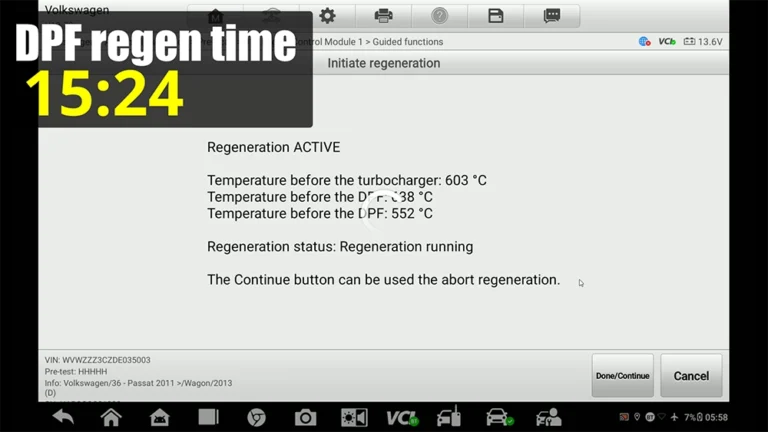
If a "Error during control unit communication" message appears but the RPM has risen and temperatures are climbing past 300–600 °C — regeneration is active in the background. Press Continue to keep the test running.
Monitor the temperatures
Monitor temperatures until they exceed ~600 °C and regeneration status shows "Warm-up phase 2" or further stages. Do not interrupt the cycle.
Run the DPF adaptation
When regeneration completes, exit the hot function and run 0001 - Adapt Diesel Particle Filter (DPF) adapt. values. Confirm with Yes only if the DPF or related component was replaced — otherwise select No.
Cycle the ignition
When prompted, switch ignition OFF, wait ~20 seconds for the ECU to save updated soot counters, then ignition ON.
Verify and clear codes
Verify soot mass has dropped and no new DPF-related DTCs are stored. Clear any codes.
Additional information & compatibility notes
On the Touran 5T 1.6/2.0 TDI EU6, the scanner may briefly display an "Error during control unit communication" message during the regeneration phase. This is a known quirk: as long as RPM stays elevated and exhaust temperatures rise above 500–600 °C, regeneration is actively running.
Pressing Continue keeps the session alive. If soot load is critically high or ash saturated, the ECU will refuse the forced regeneration and the DPF will require off-car cleaning or replacement.
Alternative tools
Legal & safety notice
More procedures like this
VW Passat B7 2013 2.0 TDI: Forced DPF Regeneration Through OBD2
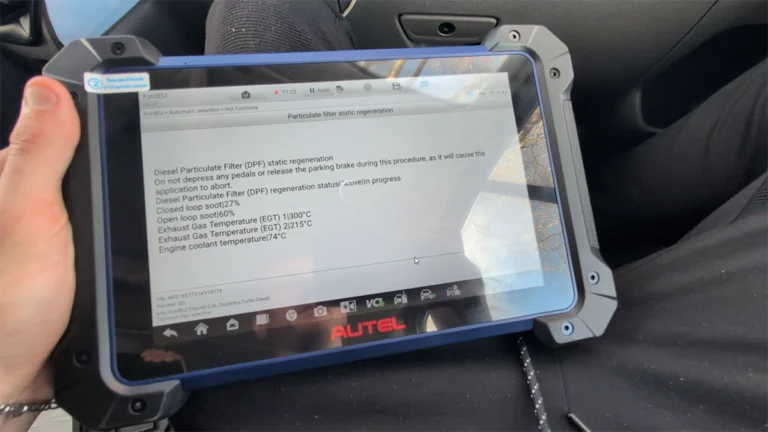
Ford Transit 2.0 Diesel (2020) – DPF Regeneration + Reset Procedure
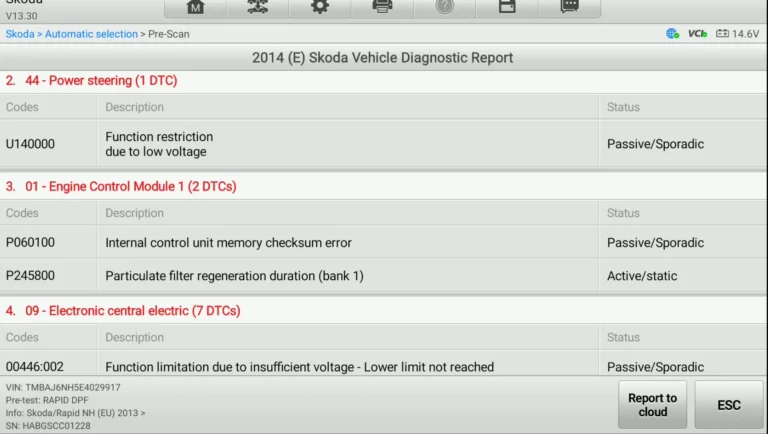
How to fix DPF warning, glow plug blinking and limp mode on Skoda Rapid 1.6 TDI (2014)
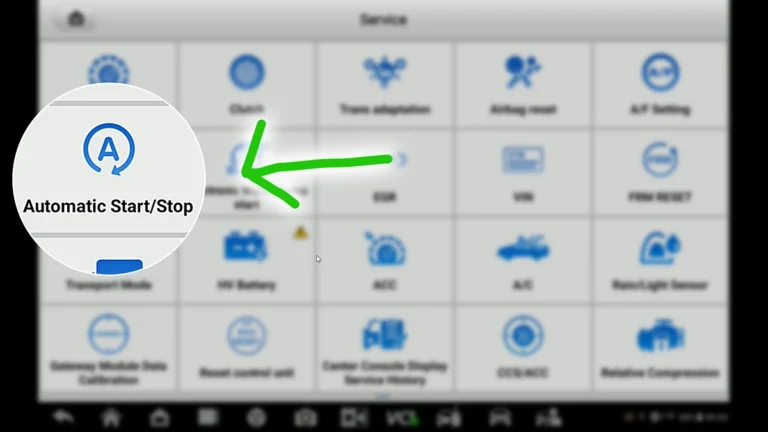
How to Deactivate Start/Stop System on VW Touran 2016 (Type 5T)
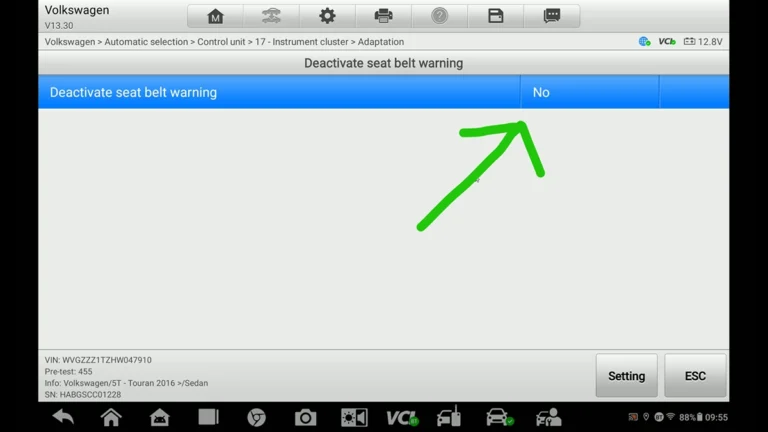
How to Deactivate Seatbelt Warning on VW Touran 2016 (Type 5T)
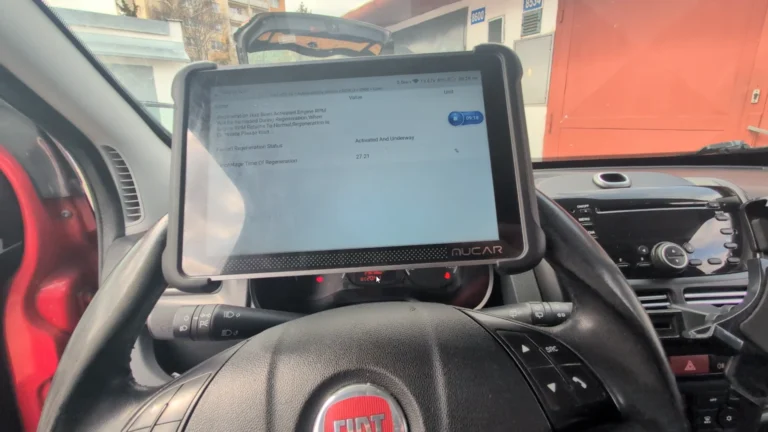
Fiat Doblo 2015 1.6 MJT DPF service regeneration
Most popular OBD2 guides



I'm Juraj Lukacko and I work as an auto electrician. On this site I share what I learn from real work on real cars, to help you pick the right tools for diagnostics, programming and tuning and get the job done.
More about me →