 By Juraj · Last updated August 15, 2026
This guide shows how to perform DPF static regeneration and reset learned values on a Ford Transit 2.0 diesel using an OBD2 scanner.
Understanding DPF soot values (important)
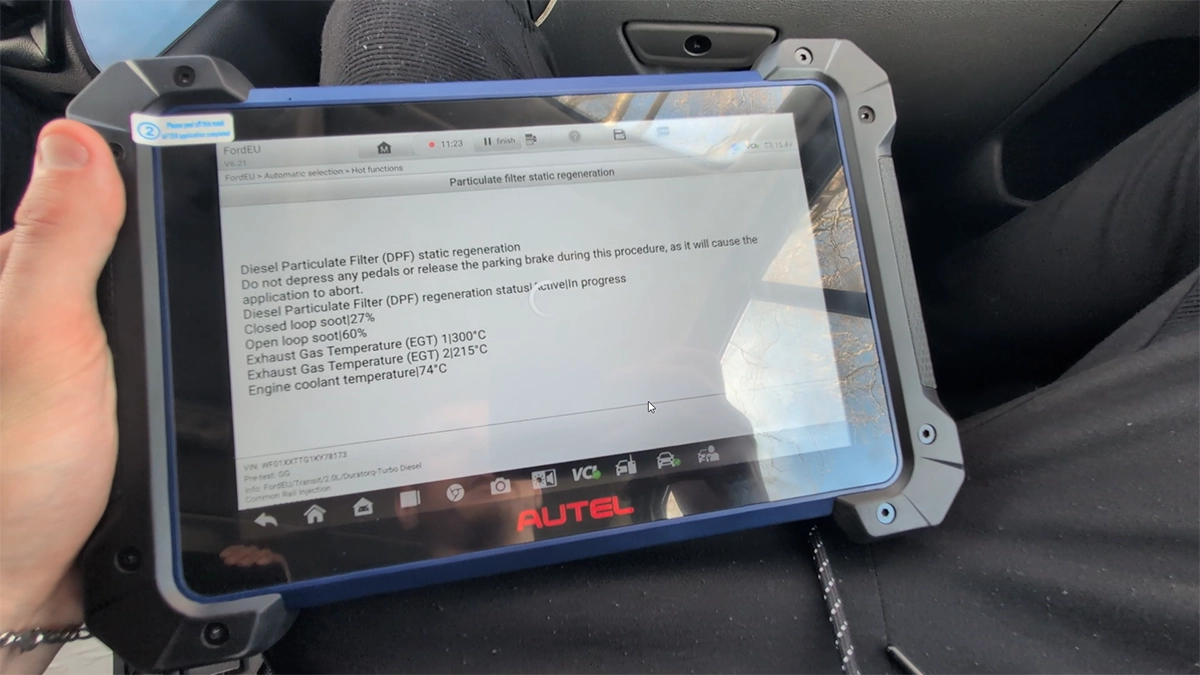
From my live data logs:
- Closed loop soot (%): 27%
- Open loop soot (%): 59%
What it means:
- Closed loop (accurate)
→ Based on differential pressure sensor + feedback
→ This is the real soot load - Open loop (estimated)
→ Calculated from driving conditions (fuel, time, load)
→ Used when sensors are unreliable or as backup
👉 During regen you will see both values decreasing.
After successful regen:
- Closed loop: ~1%
- Open loop: ~3%
This matches my result → regen successful
I earn from qualifying purchases and sometimes get tools for free (full disclosure). It never affects my scoring.
Used tool in this guide

Video: How to do forced DPF regeneration on Ford Transit
This video shows how to make service dpf regeneration and reset learned values after DPF filter cleaning/replacement on transit 2.0 diesel.
Supported vehicles
| Vehicle |
|---|
| transit-mk8 |
Technical overview
| Vehicle | Ford Transit |
|---|---|
| Year | 2020 |
| System | Engine / DPF |
| Procedure type | Service regeneration + reset |
| Difficulty | Medium |
| Time required | ~30–40 minutes |
| Prerequisites | Warm engine, safe environment |
Step-by-step procedure
Read fault codes
- Connect scanner → Engine (PCM)
- Confirm code:
- P2002 – DPF efficiency below threshold
Check live data
Go to:
Live Data → DPF parameters
Check:
- Soot load (%)
- EGT sensors
- Coolant temp
Warm up the engine
If engine is cold:
- Drive ~2–5 minutes
- Reach at least:
- ECT ≥ 65°C
Verify regeneration conditions
Before starting regen:
- Engine coolant temp: 65–105°C
- EGT: ~150–800°C (initial ~165°C OK)
- Engine speed: Idle
- Vehicle speed: < 1 km/h (stationary)
Start DPF static regeneration
Go to:
Service / Hot functions → DPF regeneration
Confirm warnings:
- Exhaust temps up to 600°C
- Engine RPM will increase
- Duration up to 40 minutes
Press OK / Continue
Monitor regeneration
During regen:
- RPM increases automatically
- EGT rises significantly
- Soot values decrease
Expected outcome:
- Closed loop → ~1%
- Open loop → ~3%
⏱️ Your case: ~30 minutes → correct
Reset learned values
After regen:
Go to:
Reset → Particulate Filter Learned Values
Run procedure → wait until complete
👉 This step is important after heavy clogging or faults
Clear fault codes
- Clear all DTCs
- Re-check:
- No active DPF codes
- Values stable
Additional information & compatibility notes
If regen fails:
- Check differential pressure sensor
- Check EGT sensors
- Check for exhaust leaks
High open loop vs low closed loop mismatch can indicate:
- Bad driving pattern
- Incorrect previous regen
P2002 often triggered by:
- Short trips
- Incomplete regen cycles
Alternative tools
Legal & safety notice
More procedures like this
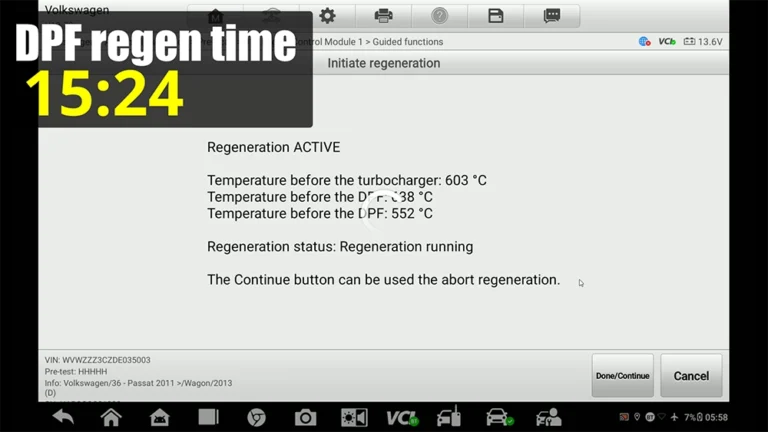
VW Passat B7 2013 2.0 TDI: Forced DPF Regeneration Through OBD2
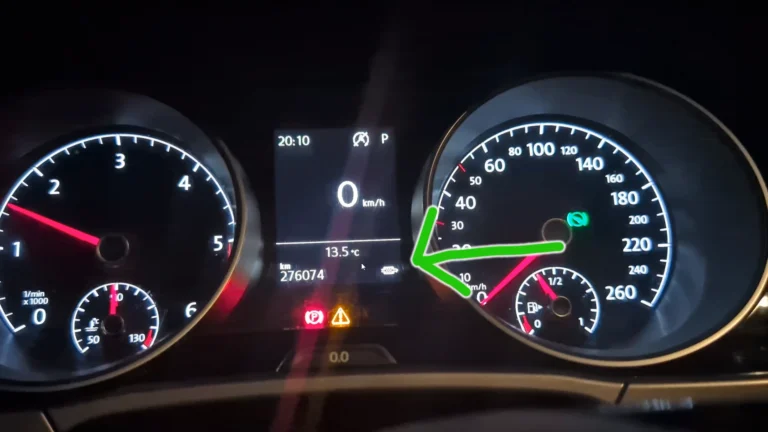
How to Force DPF Regeneration on VW Touran 2016 1.6/2.0 TDI EU6 (Type 5T)
How to fix DPF warning, glow plug blinking and limp mode on Skoda Rapid 1.6 TDI (2014)
Fiat Doblo 2015 1.6 MJT DPF service regeneration
Toyota Proace City EPB Reset for Brake Pad Replacement (2020)
Ford fiesta 2010 Odometer correction guide
Most popular OBD2 guides



I'm Juraj Lukacko and I work as an auto electrician. On this site I share what I learn from real work on real cars, to help you pick the right tools for diagnostics, programming and tuning and get the job done.
More about me →