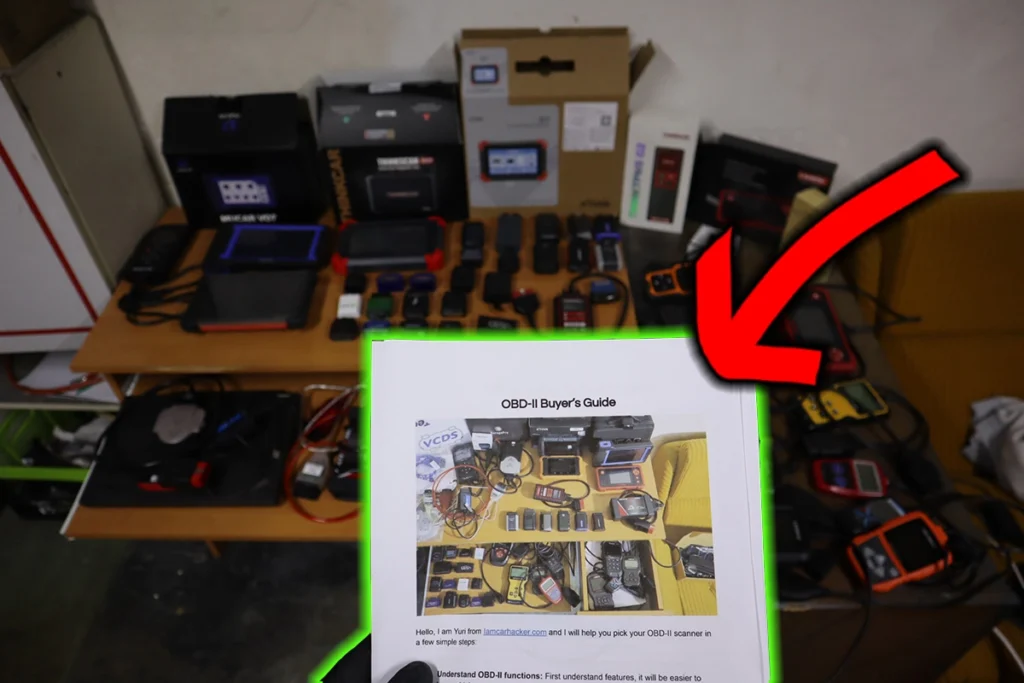

This guide will show you how key programming actually works in practice and how to do your first successful job using an OBD2 scanner.
What “key programming” actually means
There are two completely different things people confuse:
- Remote adaptation (RKE) → buttons (lock/unlock, trunk)
- Immobilizer programming (IMMO) → chip that allows engine start
👉 A fully working key usually requires both.
Before you start (very important)
Check these 3 things first:
- Do you have at least one working key?
- Do you have the correct blank key?
- Does your scanner support your exact car model + year?
👉 If yes → you’re ready for your first job.
Real key programming procedures
See real step-by-step examples here:
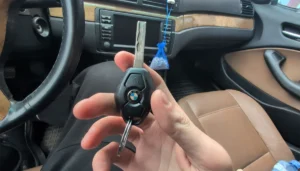 How to do BMW E46 Remote Programming (EWS Key Sync)
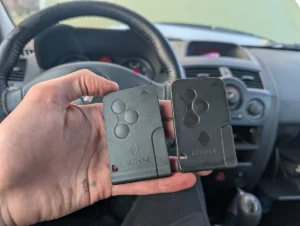 How to program key card on Renault Megane MK2 (2006)
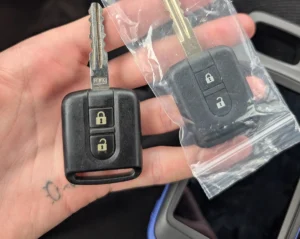 Nissan Micra K12 Key Programming (Add / Relearn Keys)
 How to adapt remote key fob on VW / Audi / Skoda / Seat (VAG)
 How to add a new key – Volkswagen Golf MK5 (2006)
Basic key programming workflow
This is how it works on most cars:
1. Connect scanner
- Plug into OBD2 port
- Turn ignition ON
- Open IMMO / Key programming menu
2. Enter security access
- Tool may ask for PIN / security code
- Some tools calculate it automatically
3. Select function
- Add key (recommended for beginners)
- Erase & relearn (advanced)
4. Follow prompts
- Insert working key
- Insert new key
- Wait for confirmation
5. Test key
- Start engine
- Test remote buttons
Best first job (recommended)
Start with this scenario:
- You have 1 working key
- You want to add a spare
👉 This is the easiest and safest way to learn.
What beginner tools can realistically do
- Add spare key on many cars
- Delete lost keys
- Pair remote
- Work well on older cars (pre ~2015)
👉 Perfect for DIY and first attempts.
Where things get difficult
- All keys lost (AKL)
- Push-start smart keys
- BMW, Mercedes, newer VAG
- Cars with security gateway
👉 These often require advanced tools, online access or EEPROM work.
Bench work (advanced but important)
On many modern cars, key programming is not possible through OBD alone.
You may need to remove a module and read data directly from it.
This is called bench work and usually involves:
- Removing ECU, BCM, CAS, FEM or other module
- Opening the unit
- Reading EEPROM or MCU data
- Generating key data from dump
👉 This requires tools like EEPROM programmers, soldering tools and experience.
Not beginner-friendly, but very common on newer vehicles.
Cloning vs programming
Cloning
- Fast, no car needed
- Works on older cars
- Both keys are identical
Programming
- Each key is unique
- Increases key count
- Required for modern cars
👉 Programming is the better long-term solution.
Common mistakes
- Wrong key type → won’t program
- Low battery → process fails
- Wrong tool → no access to IMMO
- Not all keys present → old keys deleted
Tools you need
- OBD2 scanner with IMMO function
- Compatible blank key
- Stable battery (very important)
👉 Without stable voltage, programming can fail or lock the system.
Important tip
Always start simple.
Add a spare key first. Once you understand the process, you can move to more advanced jobs.
Legal note
Only program keys for vehicles you own or have permission to work on.
Most popular OBD2 guides


Hi, I am Juraj Lukacko. I got frustrated by unhelpful and scammy mechanics, so I decided to learn everything about car diagnostics myself. I test dozens of new car diagnostic tools every month along with learning new strategies to fix and customize cars.