Published: March 26, 2026 · Last updated: April 27, 2026
Service resets are one of the most important functions in modern OBD2 scanners. As cars become more advanced, simple maintenance tasks like oil changes, battery replacement, or brake service often require a scan tool to properly reset or adapt vehicle systems.
This content is for members only.
What are service resets?
Service resets are special functions in OBD2 scanners that allow you to reset, adapt, or initialize systems after maintenance or repairs.
Unlike basic diagnostics, these functions:
- interact directly with control modules
- update system values after service
- ensure the car operates correctly
Why service resets are necessary
Modern vehicles rely heavily on electronics and control modules. After replacing parts, the car often needs to be “informed” about the change.
Without performing the correct reset:
- warning lights may stay ON
- systems may not function properly
- new parts may not be recognized
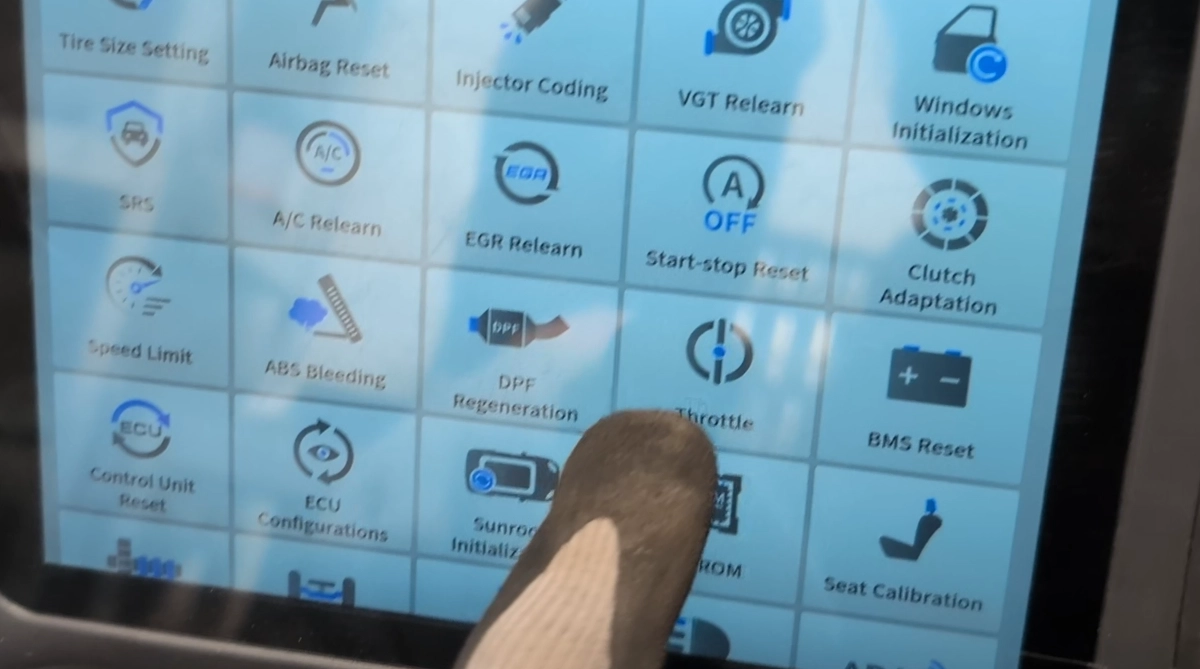
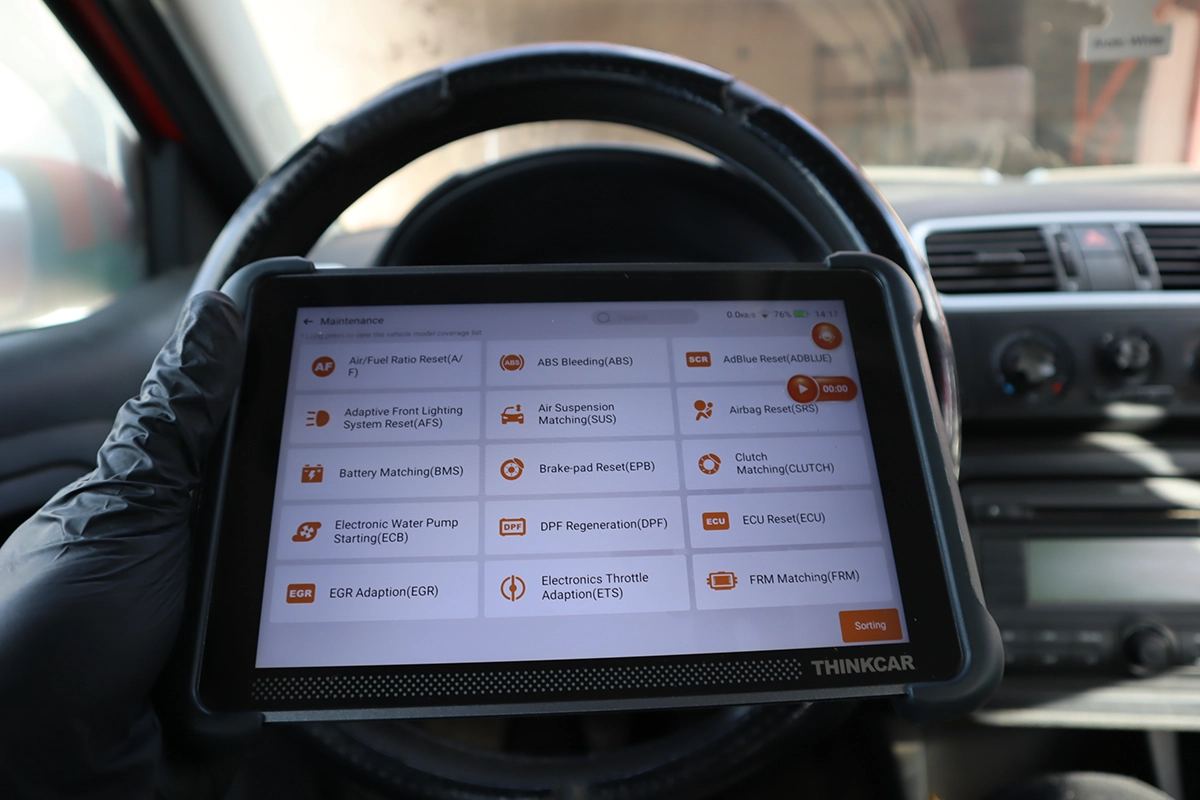
Common service reset examples
Oil service reset
Resets oil change interval after service.
👉 Required on many newer cars (cannot be done manually)
Battery registration (BMS)
After replacing battery, system must be updated.
👉 Important for charging system and battery lifespan
EPB (electronic parking brake)
Used when replacing rear brake pads.
👉 Opens/closes brake calipers electronically
ABS bleeding
Required when changing brake fluid.
👉 Activates ABS pump for proper bleeding
TPMS reset
Registers new sensor IDs after wheel change.
Injector coding
Required after installing new injectors.
👉 Ensures correct fuel delivery
Important: Not all resets work on every car
Service reset availability depends on:
- vehicle brand
- model
- year
- control modules
Older cars may support only a few functions, while newer vehicles can have dozens.
Always follow scanner conditions
Before performing a service reset, your scanner usually gives requirements such as:
- battery voltage (e.g. above 12V)
- engine temperature
- ignition state
If conditions are not met:
👉 procedure will fail
Real-world tip (very important)
Scanners don’t always show all conditions.
Example:
- EPB reset may fail even if voltage is OK
- car might need to be on the ground (not lifted)
👉 You often have to figure out missing conditions yourself
Battery voltage is critical
Many service resets (and especially coding/programming) require stable voltage.
⚠️ Weak charger = risk of failure or ECU damage
Recommended:
- strong battery charger (20–30A)
- stable voltage above ~13V
Why service resets matter
- Required for modern car maintenance
- Prevents errors after repairs
- Enables DIY work on newer vehicles
- Essential for serious diagnostics
How to use service resets – not just theory
You will need OBD2 scanner with resets, all bi-directional scanners have them.
Check my service resets procedures library
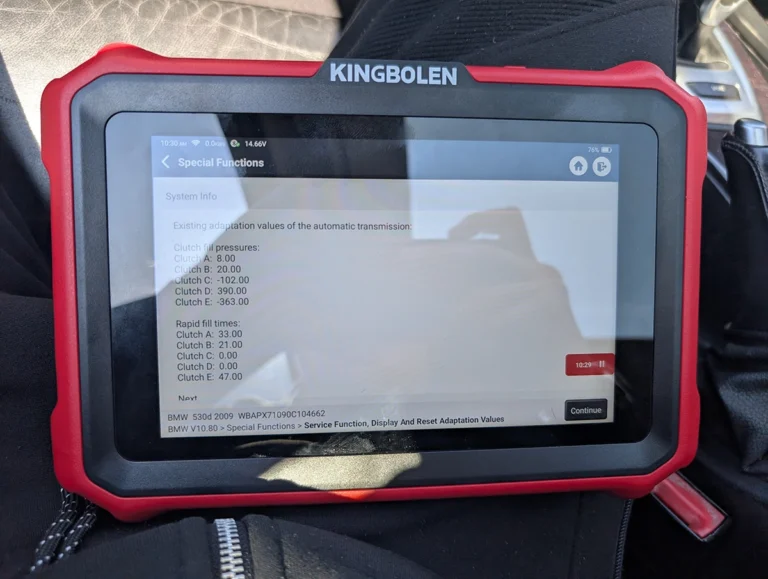
BMW E61 530d 2009 ZF Automatic: Reset Transmission Adaptations to Fix the 2-to-3 Shift Kick
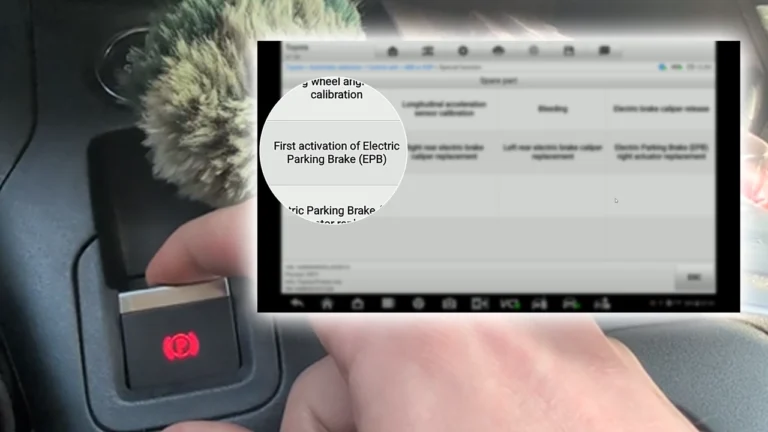
Toyota Proace City EPB Reset for Brake Pad Replacement (2020)
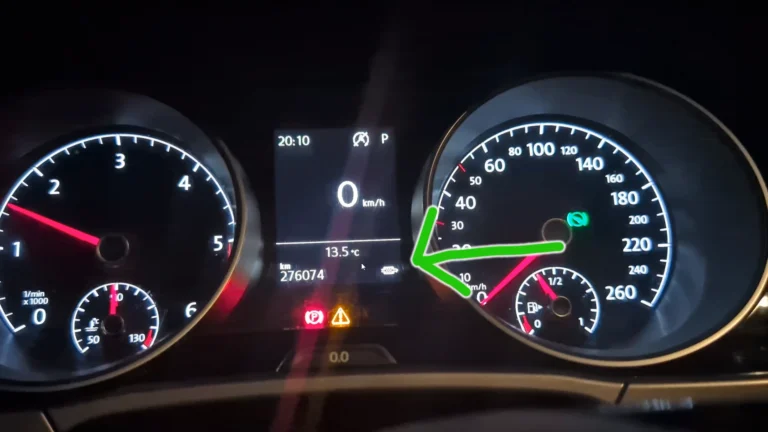
How to Force DPF Regeneration on VW Touran 2016 1.6/2.0 TDI EU6 (Type 5T)
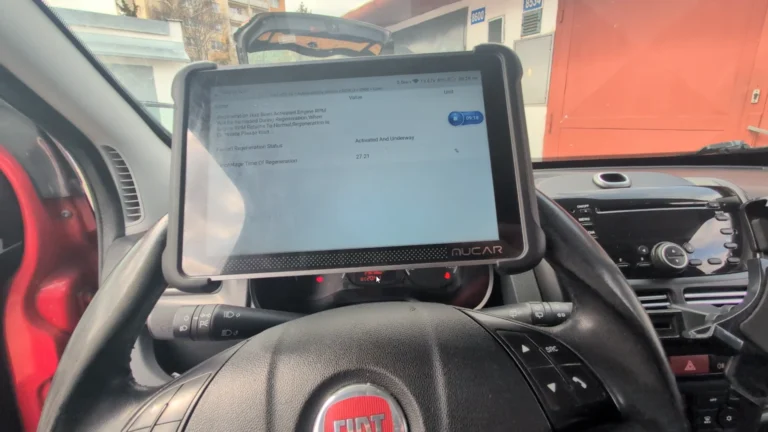
Fiat Doblo 2015 1.6 MJT DPF service regeneration
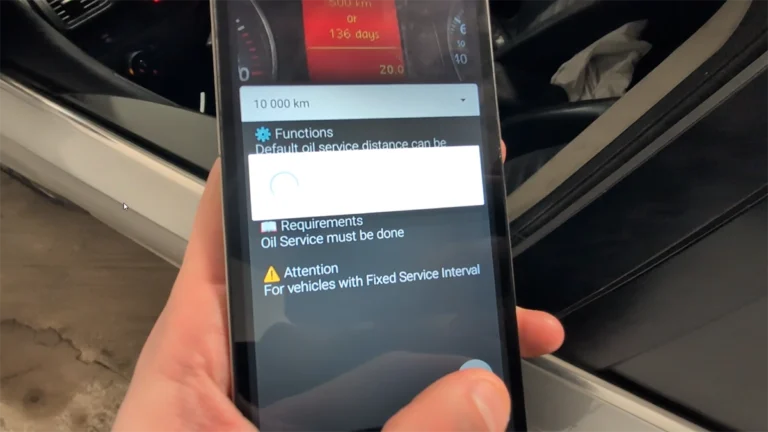
Oil service reset & interval change – Passat B6 2.0 TDI (2008)
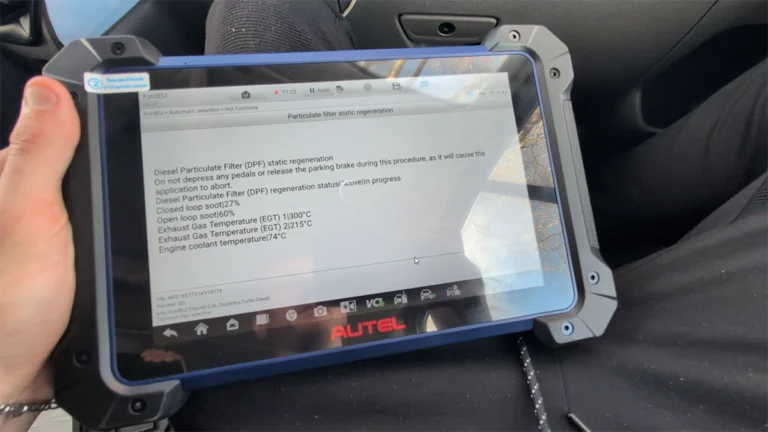
Ford Transit 2.0 Diesel (2020) – DPF Regeneration + Reset Procedure
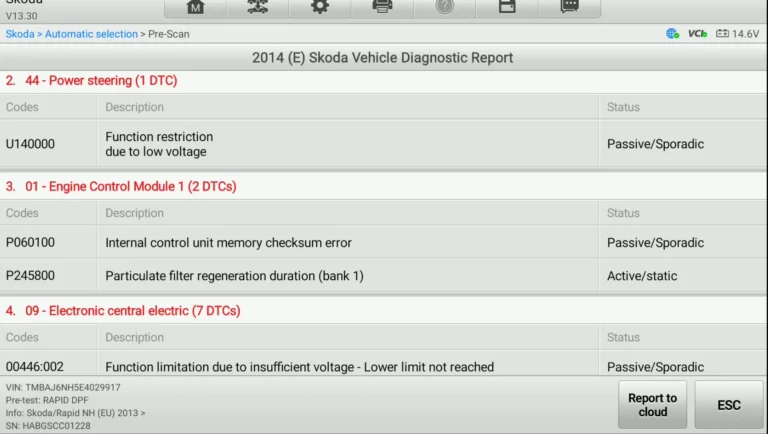
How to fix DPF warning, glow plug blinking and limp mode on Skoda Rapid 1.6 TDI (2014)
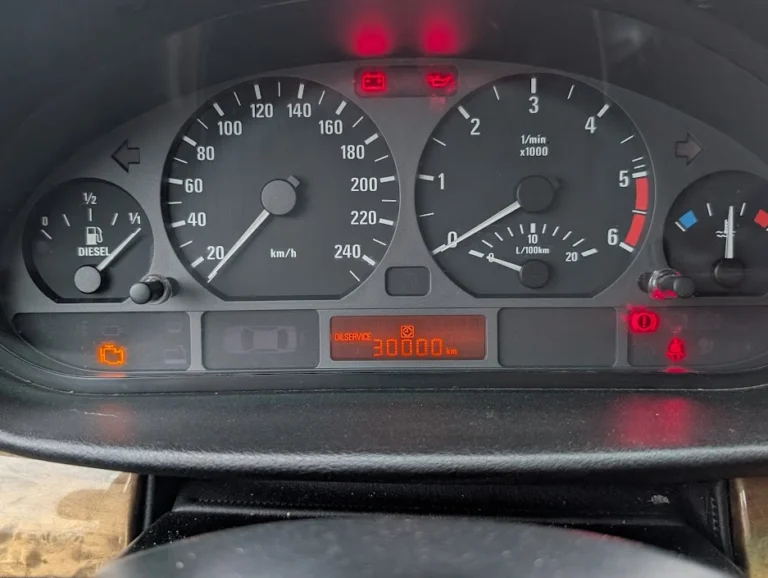
BMW 3-series E46 (2005) – Oil Service Reset (With & Without OBD2 Scanner)
Most popular OBD2 guides



Hi, I am Juraj Lukacko. I got frustrated by unhelpful and scammy mechanics, so I decided to learn everything about car diagnostics myself. I test dozens of new car diagnostic tools every month along with learning new strategies to fix and customize cars.