Published: August 13, 2025 · Last updated: June 4, 2026
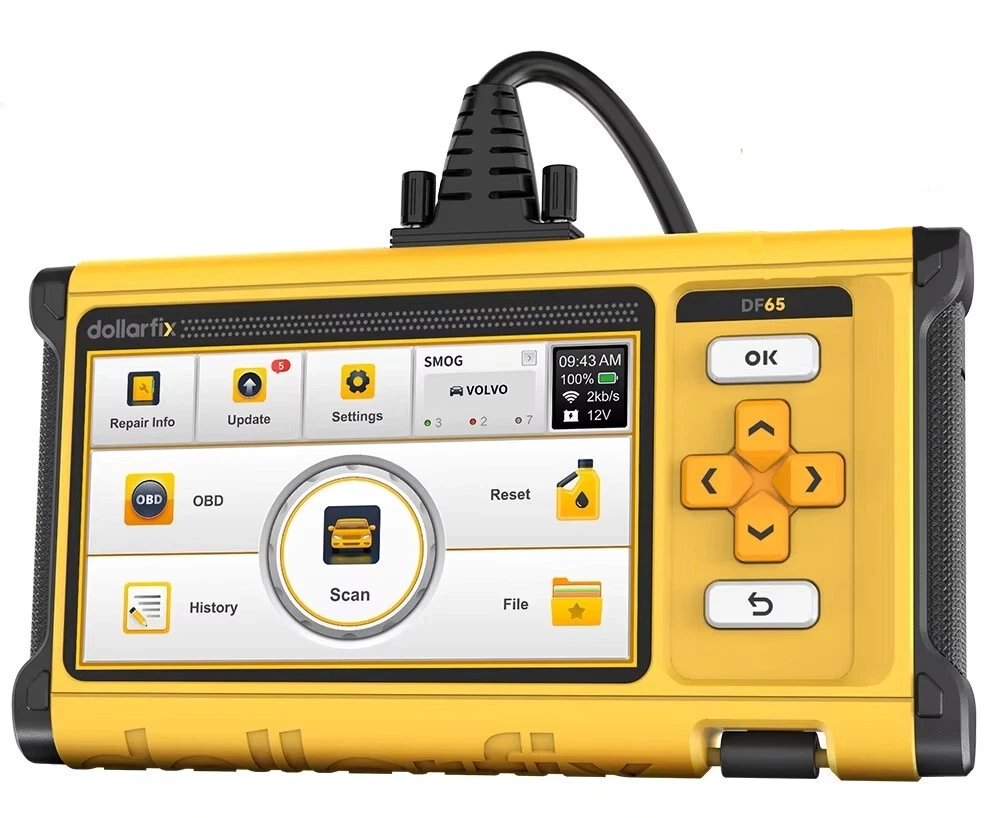
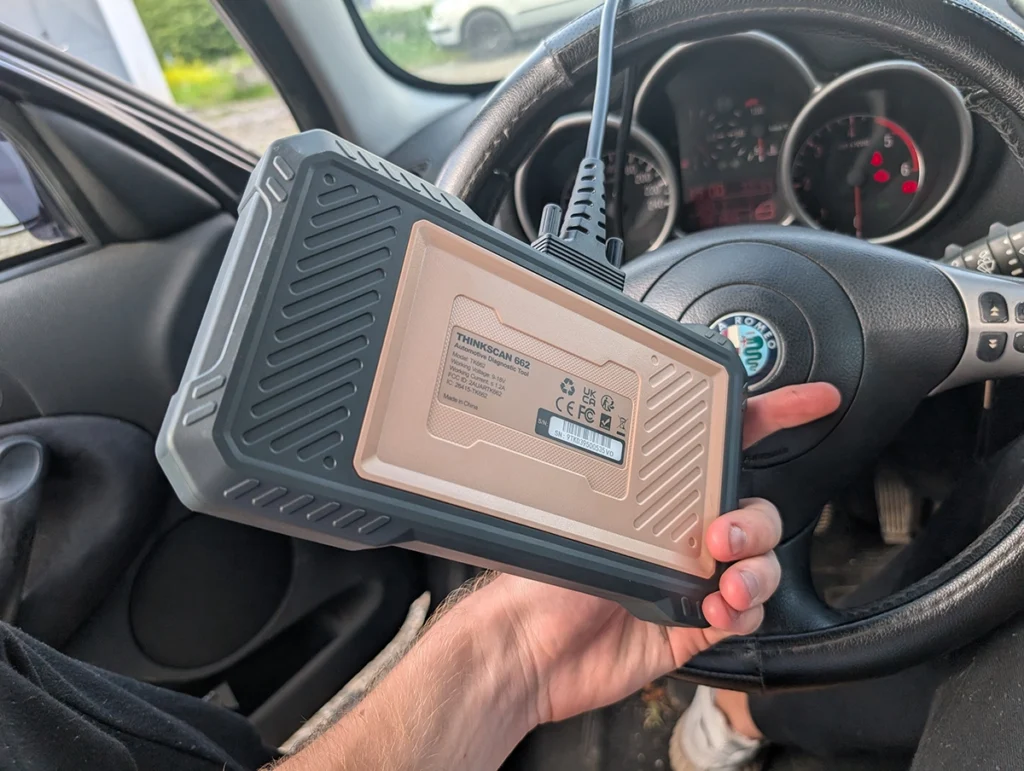
The ThinkScan 662 is ThinkCar’s cheapest bidirectional scanner, and it still gives you real actuator tests plus 12 service resets. It covers four systems (engine, transmission, ABS, airbag), and for those four it works like a full scanner. It’s the same tool as the Dollarfix DF65, just a different badge. I tested it on a Golf, an Alfa 147 and a 1999 Passat. Read on for what it does, where four systems stops being enough, and who it’s for.
I earn from qualifying purchases and sometimes get tools for free (full disclosure). It never affects my scoring.
Thinkscan 662 overview

Thinkcar Thinkscan 662
The Thinkcar Thinkscan 662 is 4-system scanner with bidirectional identical to Dollarfix DF65 at a very affordable price.

- Identical to Dollarfix DF65
- 4-system bi-directional
- Very affordable
- Not a full-system scanner
- Limited reset functions
Service functions (12+)
Scores
Specs
| Tool type | Standalone device |
| User level | Intermediate |
| Vehicle focus | All makes |
| System focus | 4-system |
| Free updates | Lifetime |
| Subscription | Not required |
Support & resources
| Will this work for my car? | Open coverage check page ↗ |
What it’s actually good at
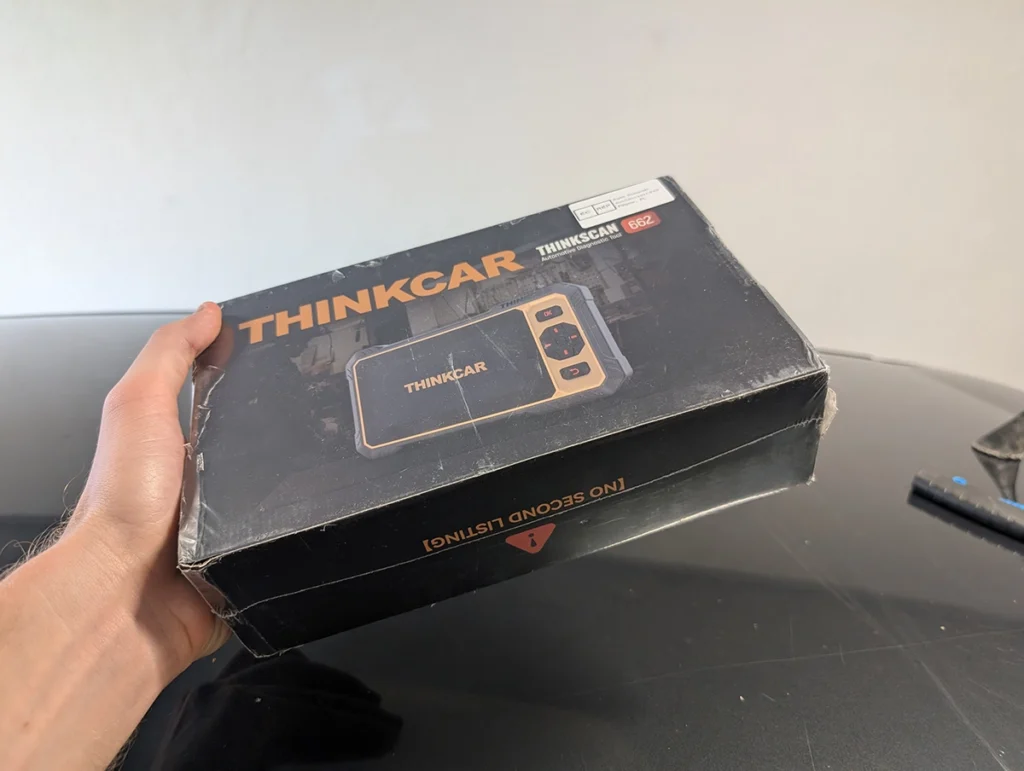
Real bidirectional testing at this price is the standout. On the Alfa I fired the engine fan and a cruise lamp straight from the tool, and in the ABS module I ran the pump and heard it work. Each module gives its own test list, and which tests you get depends on the car, not the scanner, a pricier tool won’t give you more tests on the same car.
It covers the core service resets too. Twelve of them, DPF regen, oil reset, battery matching, EPB and more, the ones you actually reach for when changing parts. All with free lifetime updates over Wi-Fi, no fighting with memory cards like the old 4-system tools.
The live data is strong for the money. Through the engine module you get the fuller list (around 300 parameters on the Golf, not the 20-odd a basic reader shows), build custom pages, view up to four graphs, and record sessions. There’s also a global OBD tab that works on any car, handy for finding basic values like fuel trims or readiness monitors before an emissions test. Clean PDF reports round it out.
Where it falls short
It’s only a 4-system scanner, and that’s the ceiling. Engine, transmission, ABS, airbag. That covers most of what goes wrong on older cars, but it won’t touch body, comfort, radio or other modules a full-system tool reads. On a modern car with many systems, four isn’t enough.
There’s no coding at all, and the reset list is limited to 12. On older VAG cars the bidirectional tests run in sequence rather than letting you pick one component, that’s how the ECU works, not a tool fault, but worth knowing.
And my honest take on 4-system scanners generally: at this price, cheap full-system tools exist. The 662 is good value for what it is, but a Mucar 682 gets you every module for a bit more. Buy this only if four systems is genuinely all you need.
Who should buy this
Yes, buy it if:
- You work mostly older cars where engine, transmission, ABS and airbag is all you need
- You want real bidirectional tests and core resets on a tight budget with no subscription
- You understand you’re getting a 4-system tool, not full-system access
No, look elsewhere if:
- You can stretch the budget at all, a full-system tool gives you every module for similar money
- You work newer cars where four systems won’t cover what you need
- You want coding or a deep reset list, this is light on both
Thinkcar Thinkscan 662
 Dollarfix DF65
Thinkcar Thinkscan 662
Dollarfix DF65
Thinkcar Thinkscan 662
 Mucar 682
Thinkcar Thinkscan 662
Mucar 682
Thinkcar Thinkscan 662
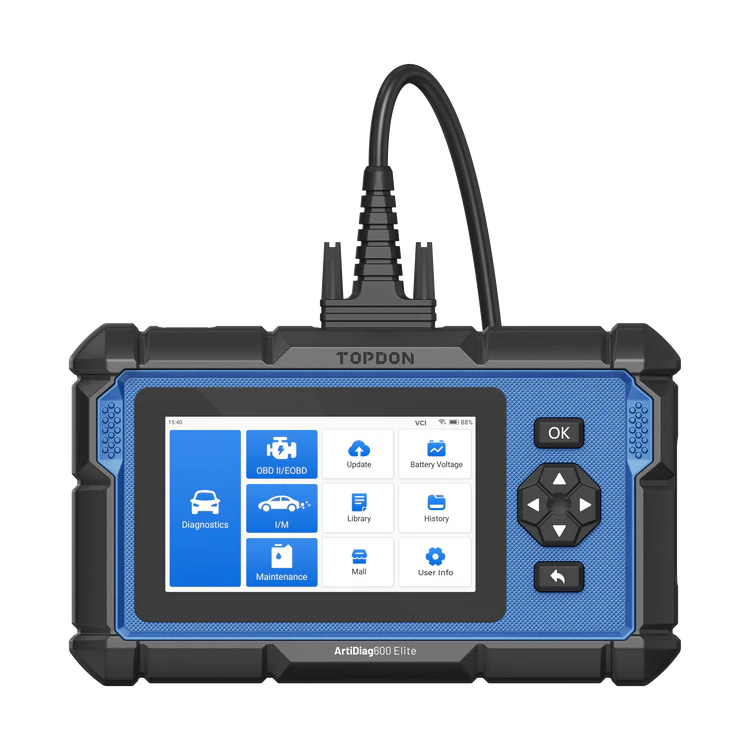 Topdon artidiag 600 pro
Still deciding rather than chasing a 662 deal? I line up the budget scanners I’ve tested, 4-system tools up to cheap full-system tablets, in my [best bidirectional OBD2 scanners] roundup. The short version: the 662 works, but the roundup shows why a full-system tool is usually the smarter spend.
Final word
The ThinkScan 662 packs genuine bidirectional testing and 12 service resets into one of the cheapest 4-system scanners around, and it handled all three of my test cars fine. But it’s a 4-system tool with no coding, and at this price full-system options exist. If four systems on older cars is all you need, it’s solid value. For everyone else, spend it on full-system instead.
Most popular OBD2 guides


I'm Juraj Lukacko and I work as an auto electrician. On this site I share what I learn from real work on real cars, to help you pick the right tools for diagnostics, programming and tuning and get the job done.
More about me →