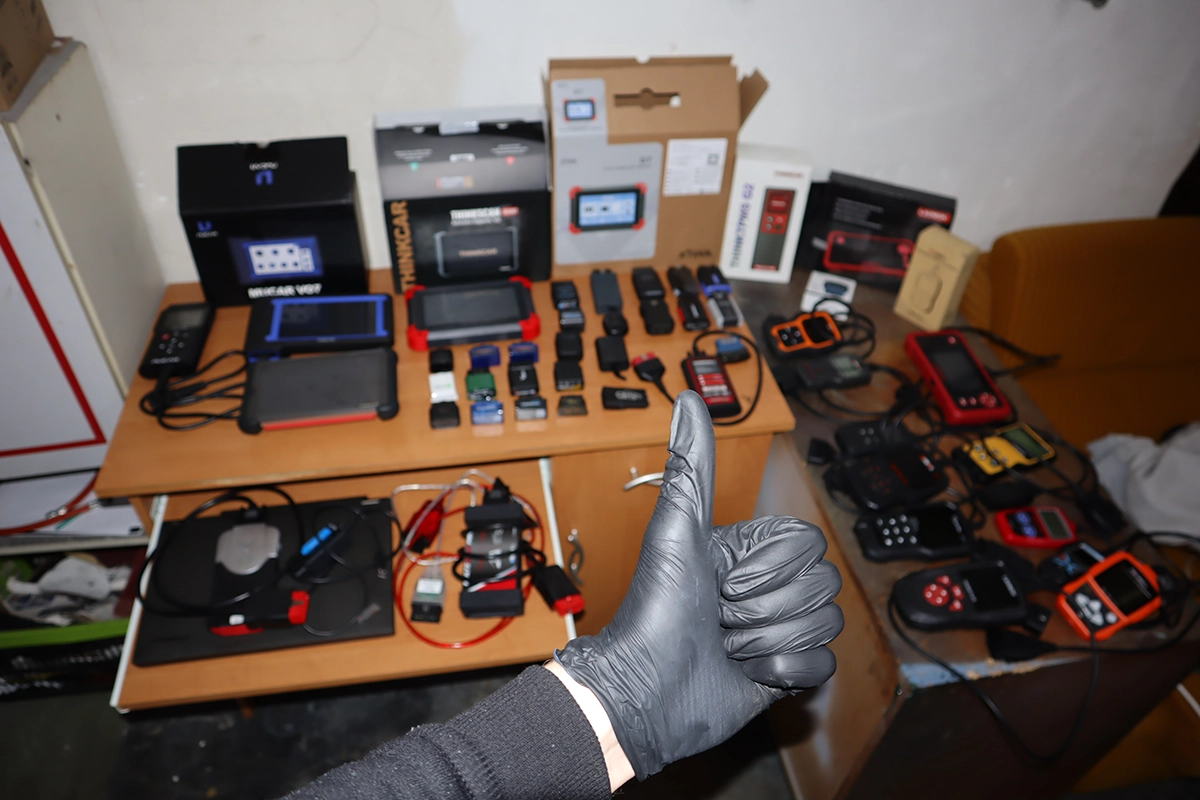
Most beginners get stuck before they even start — not because diagnostics is hard, but because they choose the wrong scanner.
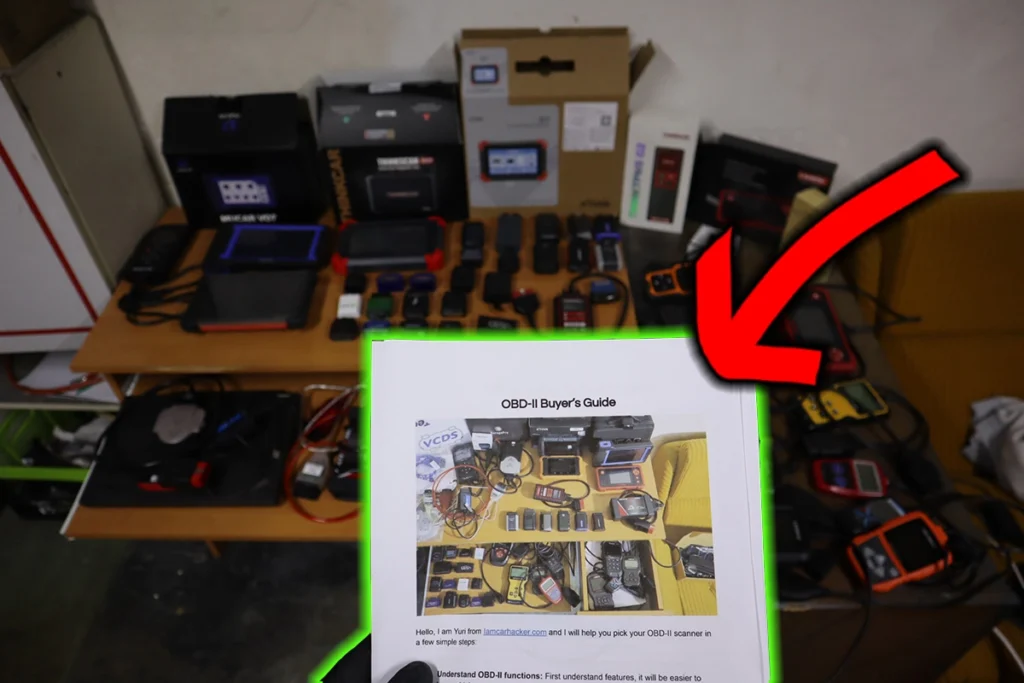
There are hundreds of OBD2 scanners on the market, but in reality, they all fall into just three main categories. Once you understand these groups, choosing the right tool becomes simple.
In this lesson, you will learn the difference between basic scanners, full system scanners, and specialized tools — and more importantly, which one actually makes sense for you.
OBD2 Scanner Types Explained (Basic vs Full System vs Specialized)
This content is for members only.
Types of OBD2 Scanners Explained
Basic OBD2 Scanners
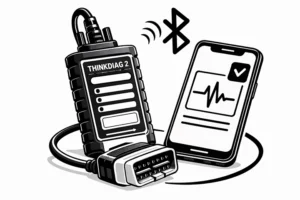
Basic OBD2 scanners are designed to work with all car brands, but only for engine diagnostics. They allow you to read and clear fault codes, view engine live data, and check readiness monitors.
Typical examples include engine code readers and ELM327 adapters. While ELM-based tools can sometimes offer extra features depending on the app, they are still limited mostly to engine-related diagnostics.
If you want to understand how to properly work with engine data, start here → OBD2 live data guide
Full System Scanners
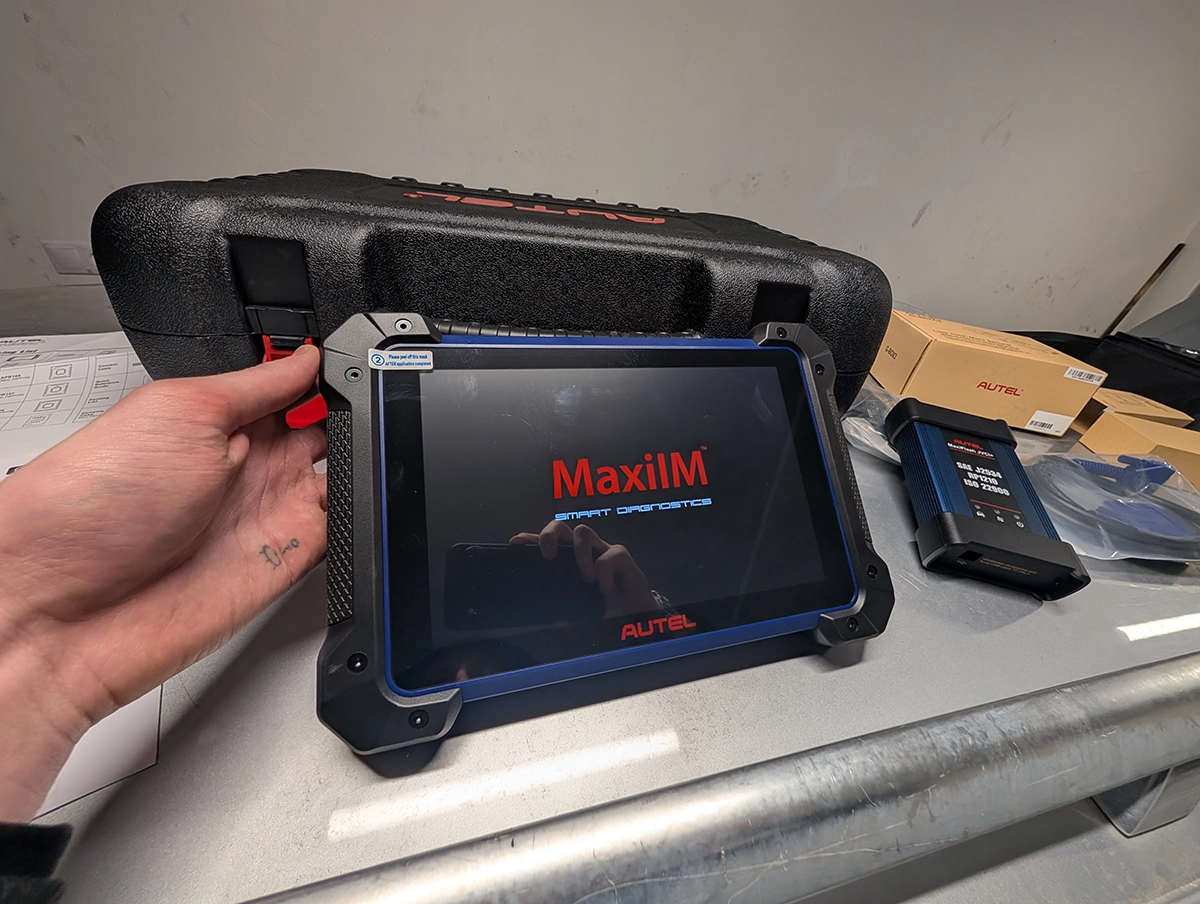
Full system scanners give you access to all control modules in the vehicle, not just the engine. This means you can scan ABS, airbag, transmission, body modules, and more.
In addition to reading and clearing fault codes, these scanners often support advanced features like live data from all systems, service functions, bidirectional testing, and sometimes even ECU coding.
For most people, this is the best starting point because modern full system scanners are very affordable and offer significantly more functionality than basic tools.
If you want to compare the best options, check → Best Bluetooth OBD2 scanners
Specialized (Brand or Function-Specific) Scanners
Specialized scanners are designed either for a specific car brand or for a specific function.
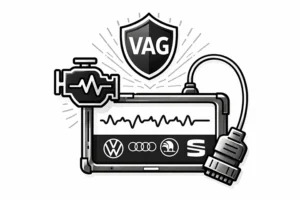
Brand-specific tools (for example for VAG vehicles) often provide deeper access, including advanced coding and manufacturer-specific features that generic scanners may not support.
Other tools focus on single tasks, such as TPMS programming tools or key programmers used for immobilizer and key coding.
These tools are powerful, but they are not necessary for beginners unless you work with one specific car brand regularly.
Which Scanner Should You Choose?
For most users, the best choice is a full system scanner because it gives you access to all vehicle systems and enough advanced features to handle real diagnostics.
Choosing the right tool is critical, because even the best scanner is limited by what your specific car supports. That’s why it’s important to understand both the scanner capabilities and your vehicle.
To find the right tool for your needs, see → OBD2 scanner buying guide
Most popular OBD2 guides