Understanding OBD2 protocols might sound complicated at first, but in reality it’s a very simple concept.
In this lesson, you will learn what OBD2 protocols are, how they work, and why you don’t really need to worry about them when using a scanner.
The goal is not to memorize protocols, but to understand what they mean when you see them in scanner specifications.
This content is for members only.
What Is an OBD2 Protocol
An OBD2 protocol is the way your car communicates with a diagnostic scanner.
You can think of it like a language. All cars use OBD2, but each one can use a slightly different “dialect” — that’s the protocol.
The scanner and the car must use the same protocol to understand each other.
Common OBD2 Protocols
There are several protocols, but you don’t need to memorize them.
Older cars used different protocols depending on the manufacturer:
- Ford had its own
- GM had its own
- European and Asian cars used others
In practice, you will mostly see these:
KWP2000
Used in many older European cars. Still common in early 2000s vehicles.
CAN Bus
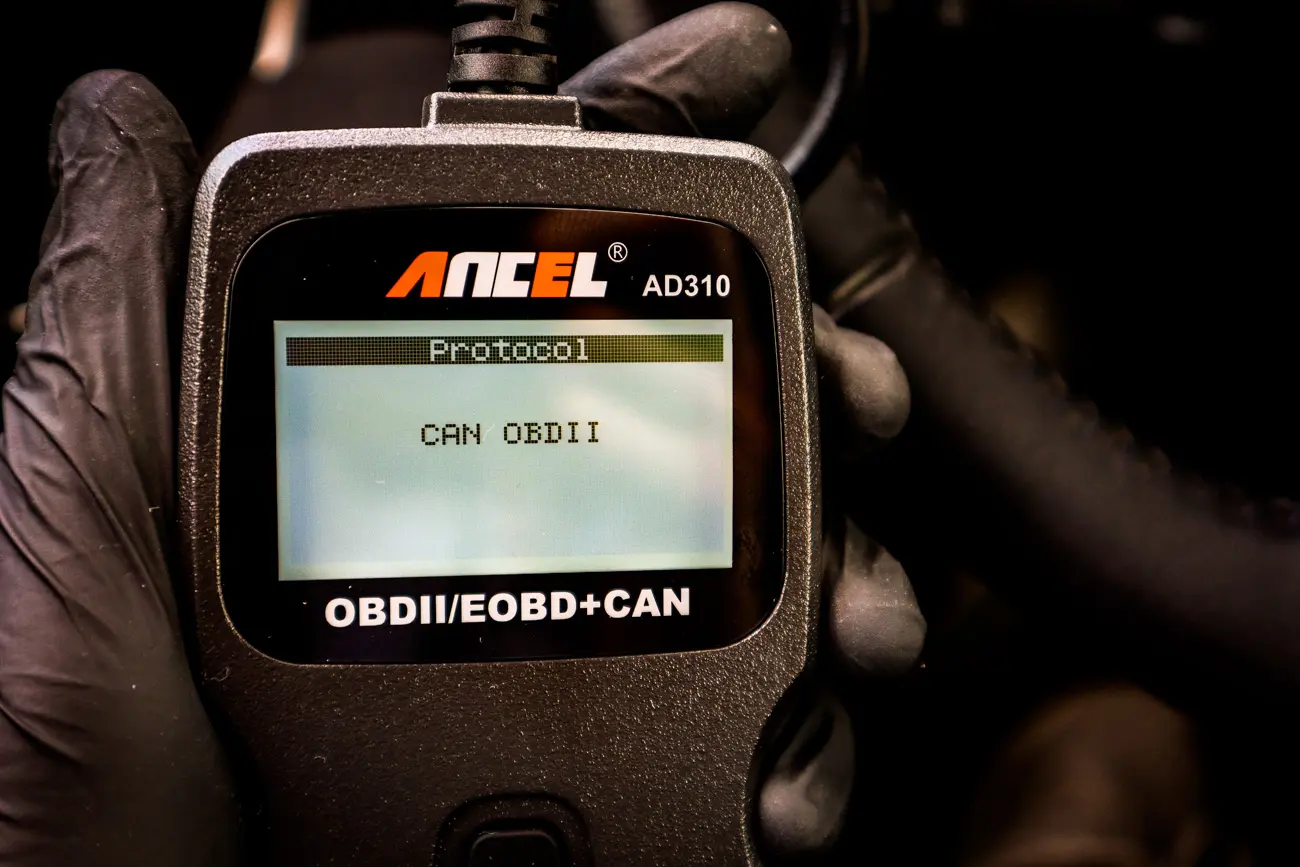
The most important protocol today. Almost all modern cars use CAN.
Newer Protocols
Newer vehicles may use updated versions of communication:
CAN FD
Faster version of CAN. Makes diagnostics quicker.
DoIP (Diagnostics over IP)
Used in some modern cars like BMW or Mercedes. Works over Ethernet.
Advanced Protocol
UDS (Unified Diagnostic Services)
Runs on top of CAN and allows advanced features like coding, adaptations, and ECU programming.
Programming Standard
J2534 Pass-Through
Not a protocol, but a standard for ECU programming. Used with manufacturer software.
Do You Need to Care About Protocols?
Not really.
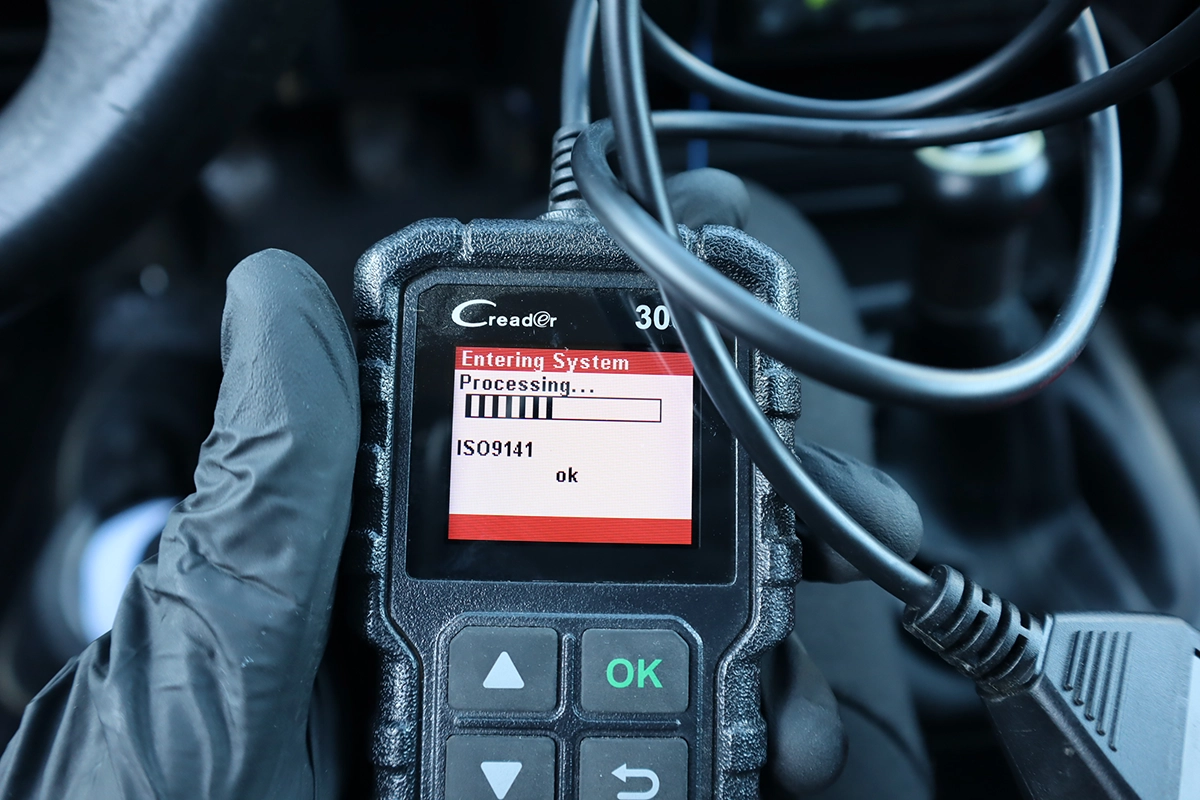
Most scanners automatically detect the correct protocol and connect on their own.
It’s useful to understand what they are, but in real use, you rarely need to think about them.
Most popular OBD2 guides