Modern vehicles equipped with an Electronic Parking Brake (EPB) require a special procedure before replacing rear brake pads. Unlike traditional handbrakes, the brake caliper piston cannot simply be pushed back with a tool.
Before replacing the pads, the system must be placed into service mode using a diagnostic scanner. This allows the electric motor inside the brake caliper to retract the piston safely.
In this guide you will learn how EPB service mode works and why it is necessary before performing rear brake service.
What Is an Electronic Parking Brake (EPB)?
An Electronic Parking Brake replaces the traditional handbrake lever with an electric motor that controls the rear brake calipers.
When the parking brake is activated:
- The parking brake control module sends a signal to the EPB motor
- The motor pushes the brake piston against the brake pads
- The brake pads clamp the brake disc and hold the vehicle in place
Because the piston position is controlled by an electric motor, it cannot be pushed back manually without first retracting the motor.
Why EPB Service Mode Is Necessary
When replacing rear brake pads, the new pads are always thicker than the worn pads.
On vehicles with a mechanical handbrake, you would normally push the piston back using a brake tool. However, on vehicles with an electronic parking brake this can cause serious damage.
If you try to push the piston back without service mode, you can damage:
- the EPB motor
- the brake caliper mechanism
- the parking brake control module
To prevent this, the system must be placed into EPB service mode, which electronically retracts the motor and releases the piston.
How EPB Service Mode Works
Most vehicles allow the parking brake motors to be retracted through the diagnostic system.
The typical procedure looks like this:
- Connect an OBD2 diagnostic scanner
- Turn the ignition ON (engine OFF)
- Navigate to the parking brake control module
- Select the EPB service mode or brake reset function
- Command the calipers to open or retract
Once the motors retract the pistons, the rear brake pads can be replaced safely.
After the new brake pads are installed, the calipers must be closed again using the scanner, which returns the system to normal operation.
Tools Required for EPB Brake Service
To perform this procedure you will typically need:
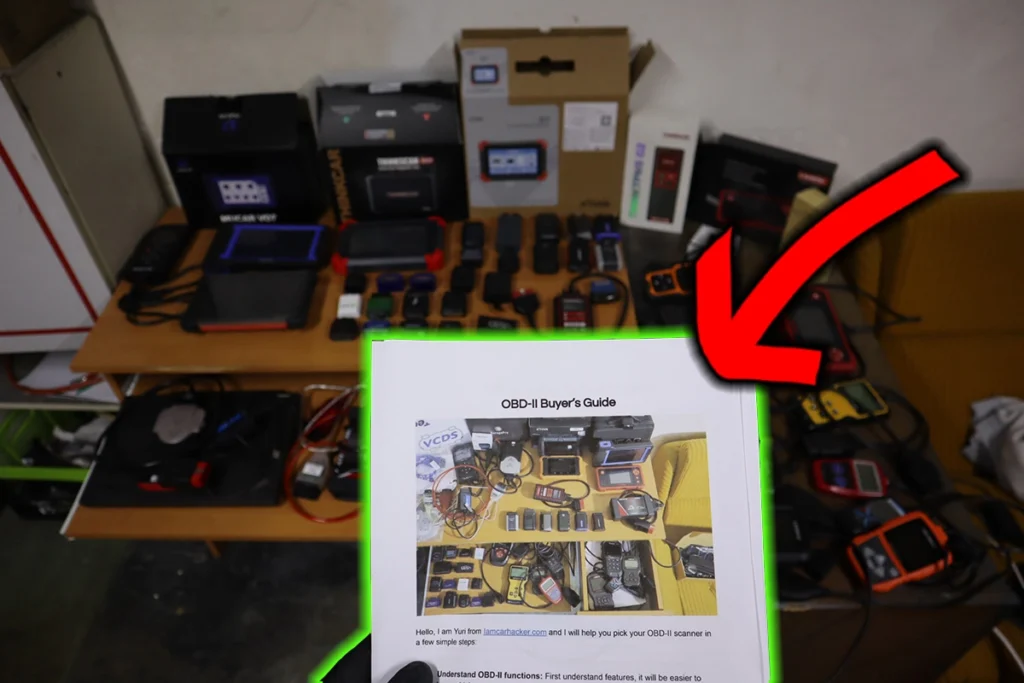
- OBD2 diagnostic scanner with EPB service function
- battery charger or stable power supply
- brake tools for removing the caliper
- new brake pads
Many mid-range and professional diagnostic scanners include an EPB reset or brake service function.
Important Safety Notes
Before starting the procedure, always check the following conditions:
- ignition ON
- engine OFF
- parking brake released
- stable battery voltage (a battery charger is recommended)
Never try to force the brake piston back mechanically on EPB systems. This can damage the electric motor inside the brake caliper.
Always follow the instructions provided by your diagnostic scanner.
After Replacing the Brake Pads
After installing the new pads, the EPB system must be returned to its normal position.
The typical procedure is:
- Turn the ignition ON
- Use the scanner to close the EPB calipers
- The motors will move the pistons back into operating position
- Press the brake pedal several times to seat the pads
Once completed, the electronic parking brake should operate normally again.
Conclusion
Electronic parking brake systems require a diagnostic scanner to enter service mode before replacing rear brake pads.
Service mode retracts the parking brake motors and allows the brake pistons to move freely. This prevents damage to the brake system and ensures the new pads can be installed correctly.
Understanding this procedure is essential when servicing modern vehicles equipped with electronic parking brakes.