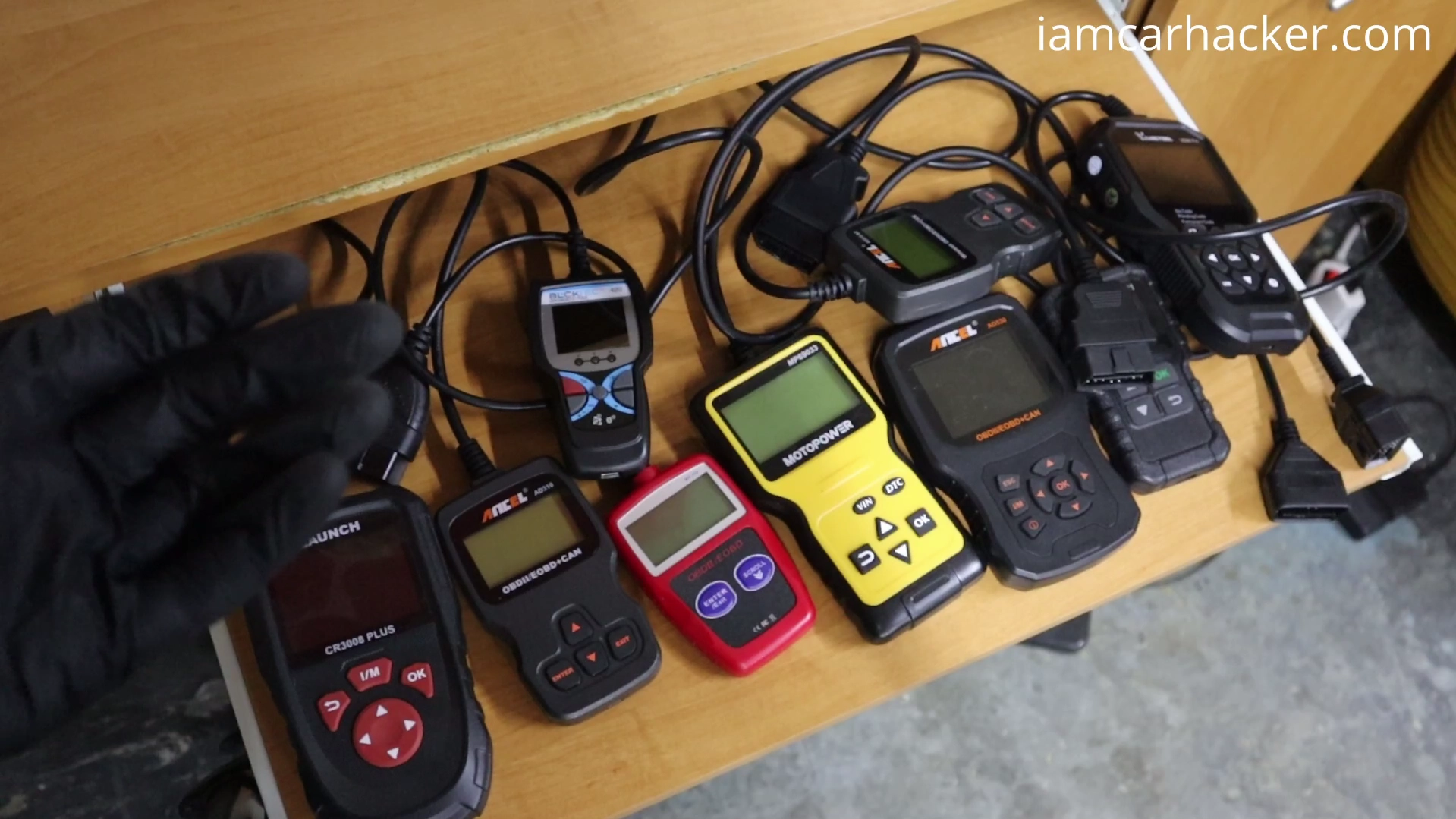
When it comes to all functionality of OBD2 scanners, the global OBD is that mandatory part that must work on every car with an OBD2 system and is supported by most OBD2 scanners, whether it is a $20 scanner or a $5000 scanner.
That’s why when you take a cheap scanner, you just connect it to the car and it works straight away without needing to select the car model. It is also standardized across car brands and scanners.
But global OBD is only for reading codes and data from the engine control module.
That’s why cheap scanners are not bi-directional, nor can they scan all modules.
But it is the basics of OBD and actually enough to diagnose engine issues with fault codes, live data, and readiness monitors.
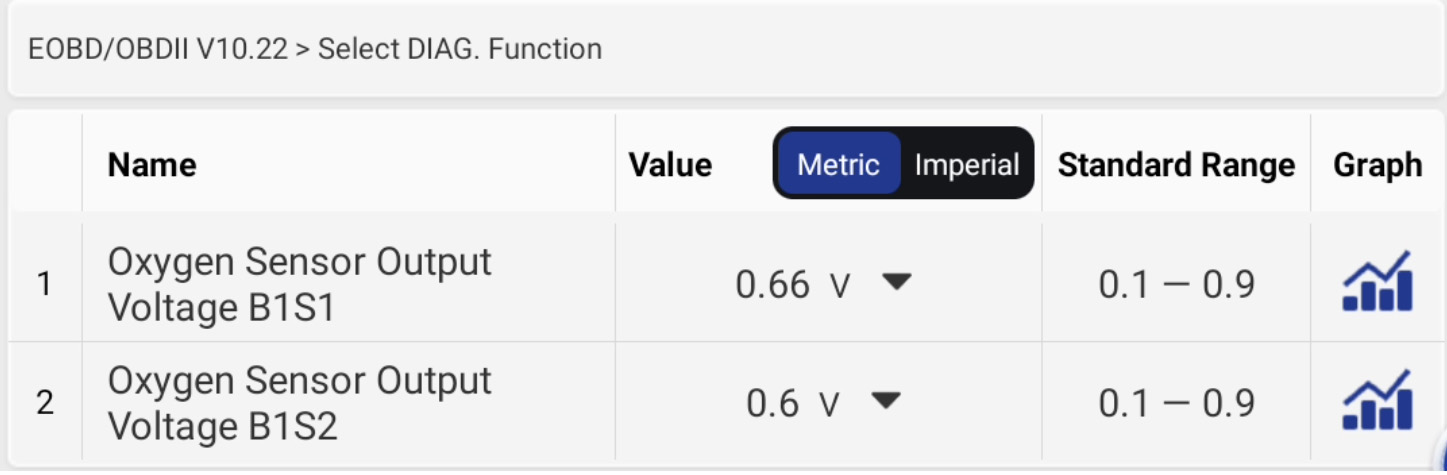
Mode $01: Engine Current Data
Provides real-time data from various sensors and systems in the vehicle, such as engine RPM, vehicle speed, and coolant temperature.
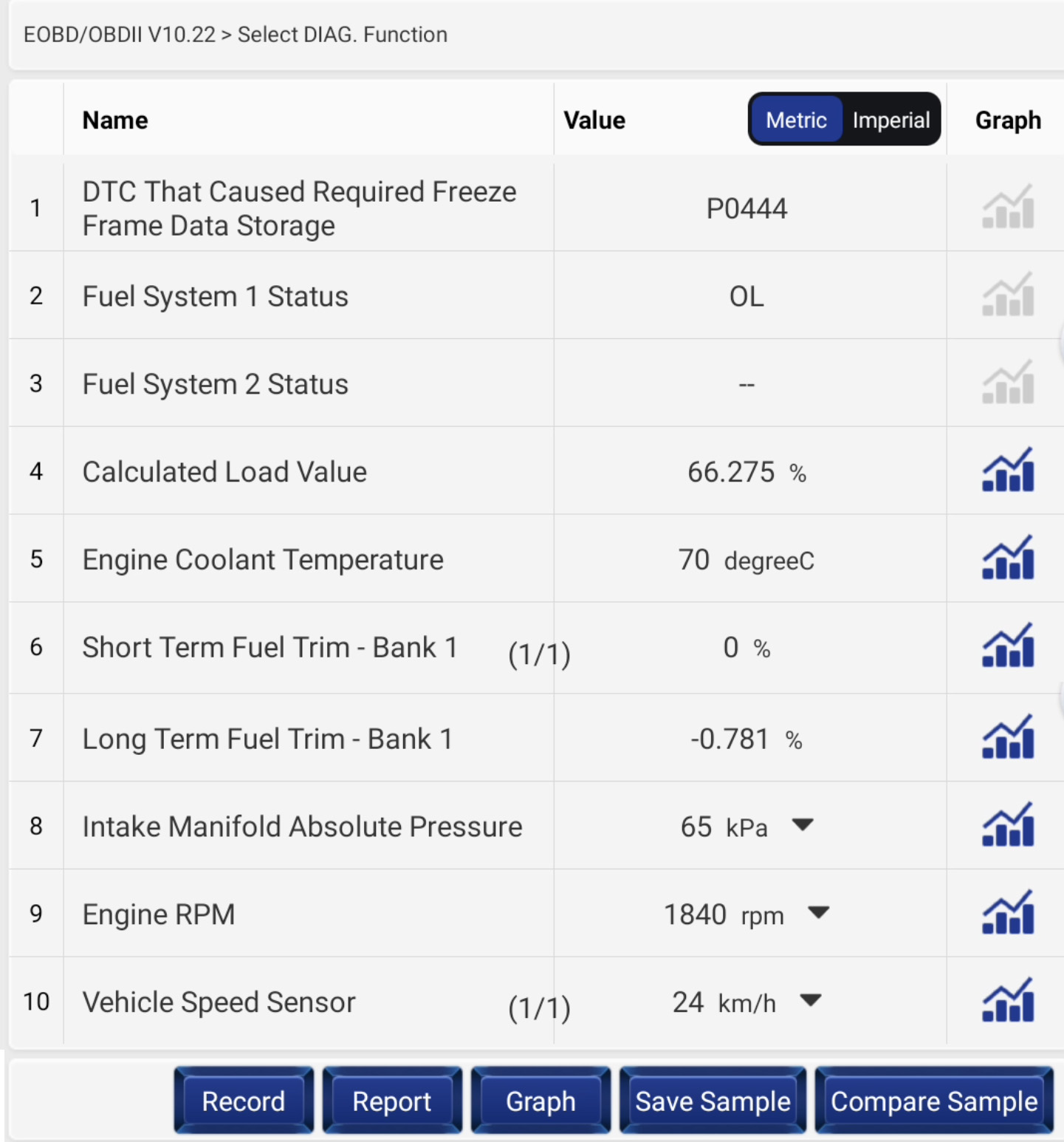
Mode $02: Show Freeze Frame Data
Captures and displays a snapshot of the vehicle’s operating conditions at the time a Diagnostic Trouble Code (DTC) was triggered.
Mode $03: Show Stored Diagnostic Trouble Codes (DTCs)
Retrieves all stored DTCs that have been logged by the vehicle’s computer, indicating issues that need attention.
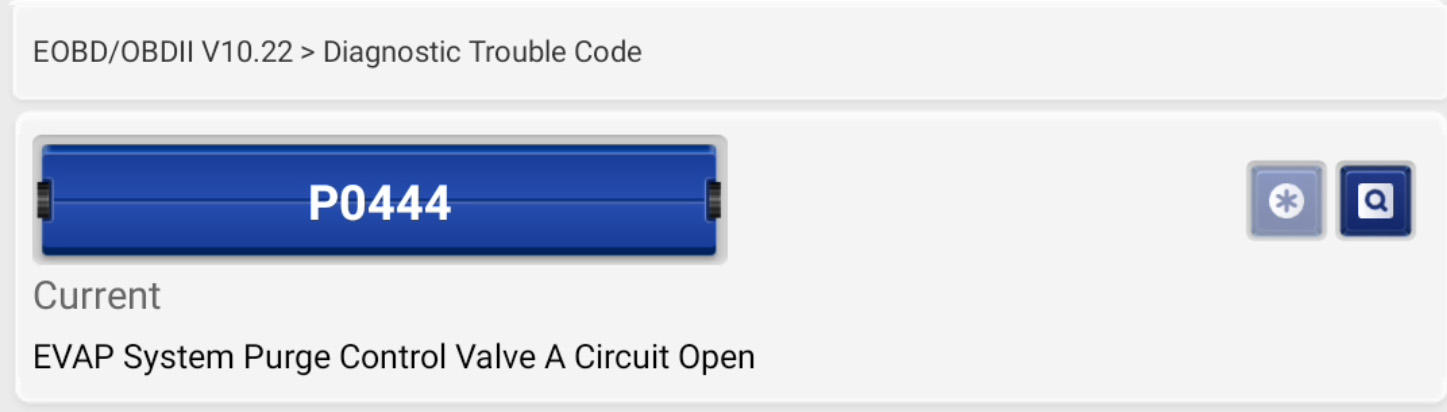
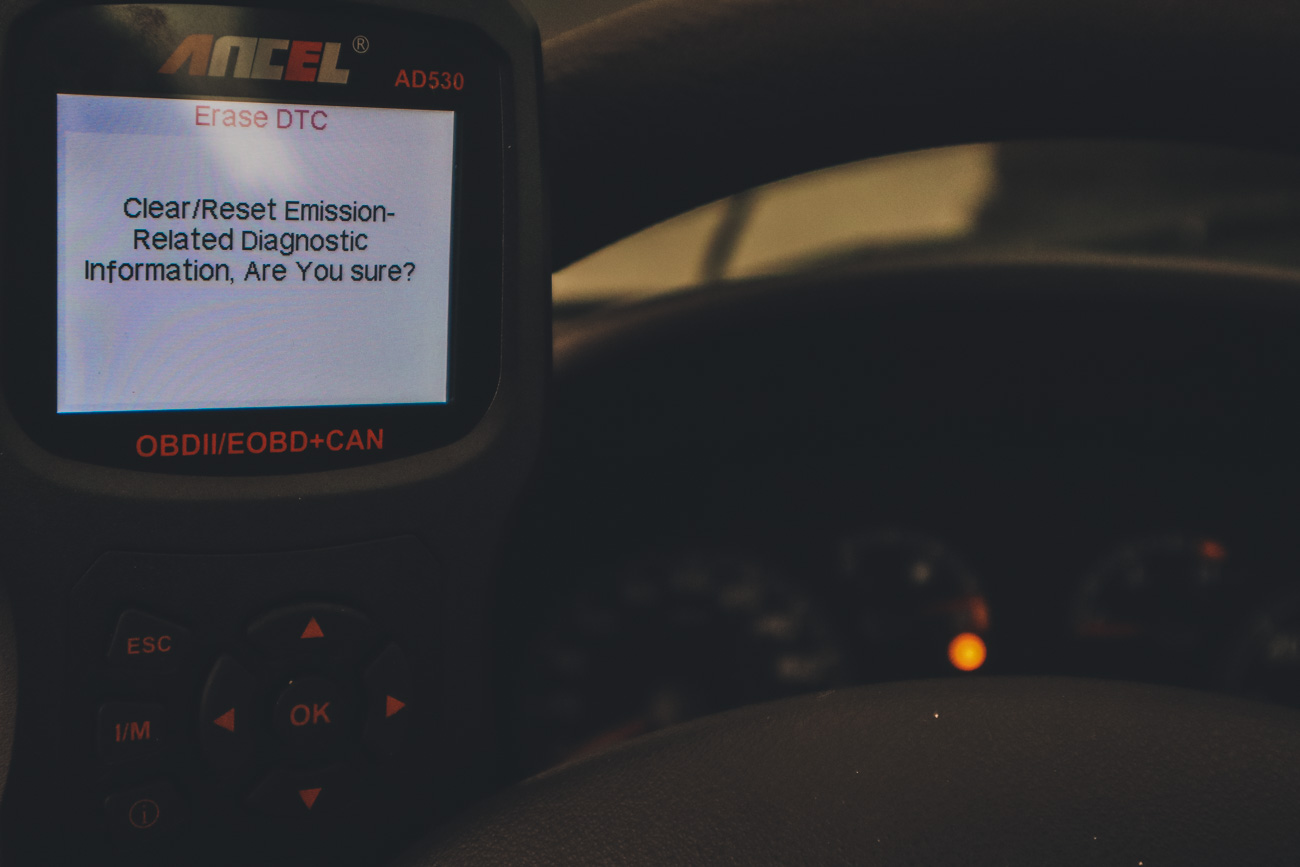
Mode $04: Clear/Reset DTCs and Other Emissions-Related Data
Allows the technician to clear stored DTCs and reset related emissions data after repairs have been made.
Mode $05: Oxygen Sensor Data
Provides detailed information from the vehicle’s oxygen sensors, which monitor the efficiency of the combustion process and emissions control systems.

Mode $06: On-Board Monitoring Test Results
Displays results from various on-board diagnostic tests, including those for components that are not continuously monitored.
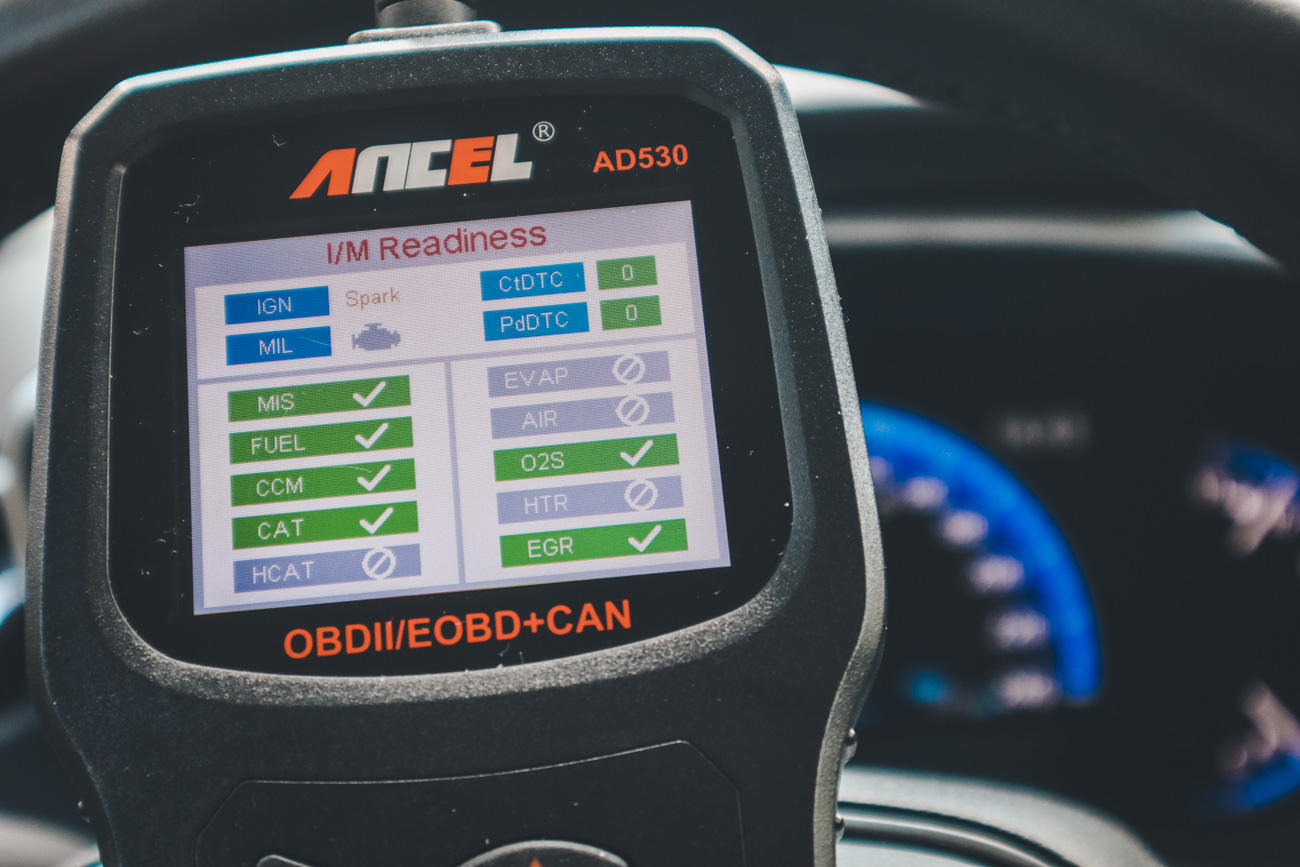
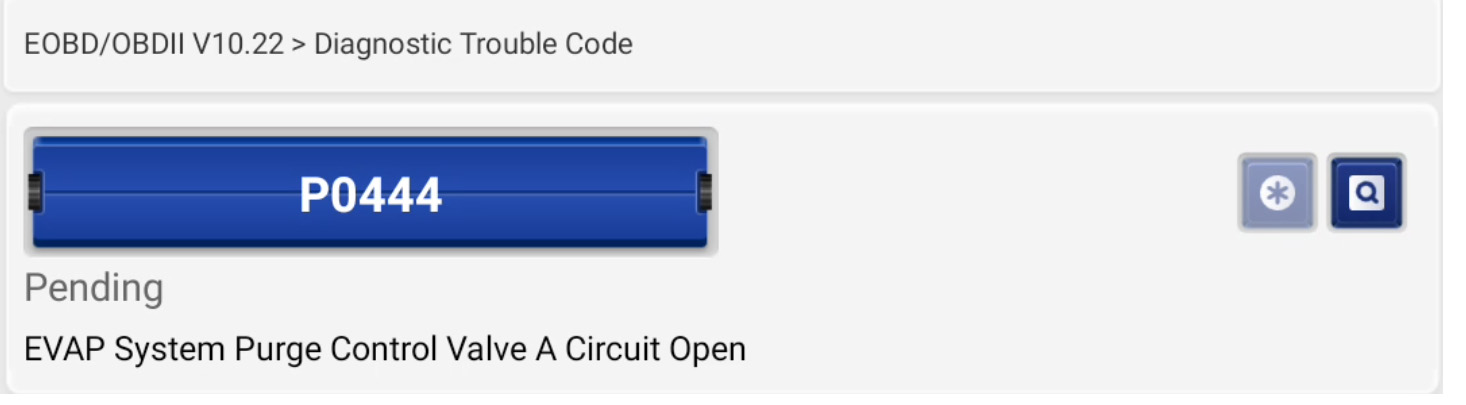
Mode $07: Pending DTC
When ECU first time detects a fault, it can set pending DTC without check the engine light. Once the fault is confirmed by ECU, code will change to current (mode 03)
Mode $08: Control operation of On-Board System
Enables the diagnostic tool to send commands to and control specific vehicle components, allowing for advanced diagnostics and testing. I tested it on more than 20 cars and I always got a message of “vehicle not supported”, so I actually never got to test it myself.

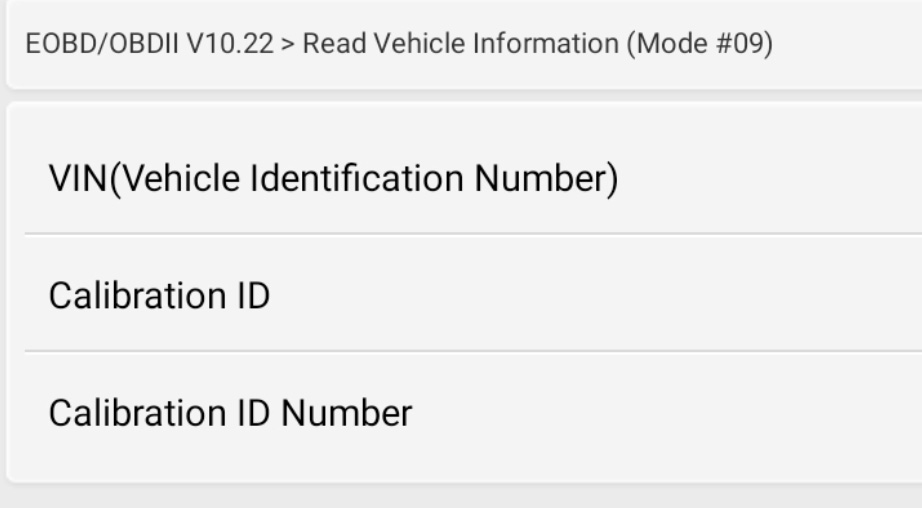
Mode $09: Request Vehicle Information
Retrieves essential vehicle information such as the Vehicle Identification Number (VIN), calibration IDs, and other manufacturer-specific data.
Mode $0A: Permanent fault codes
These ongoing present codes either cannot be erased by the scan tool, or they will just appear again instantly once you erase them.