Published: March 19, 2026 · Last updated: April 27, 2026
Relative compression test is one of the fastest ways to check engine compression without removing spark plugs or using a compression tester.
Instead of measuring absolute pressure, this method compares cylinder performance using battery voltage during cranking.
I earn from qualifying purchases and sometimes get tools for free (full disclosure). It never affects my scoring.
What is relative compression test?
This content is for members only.
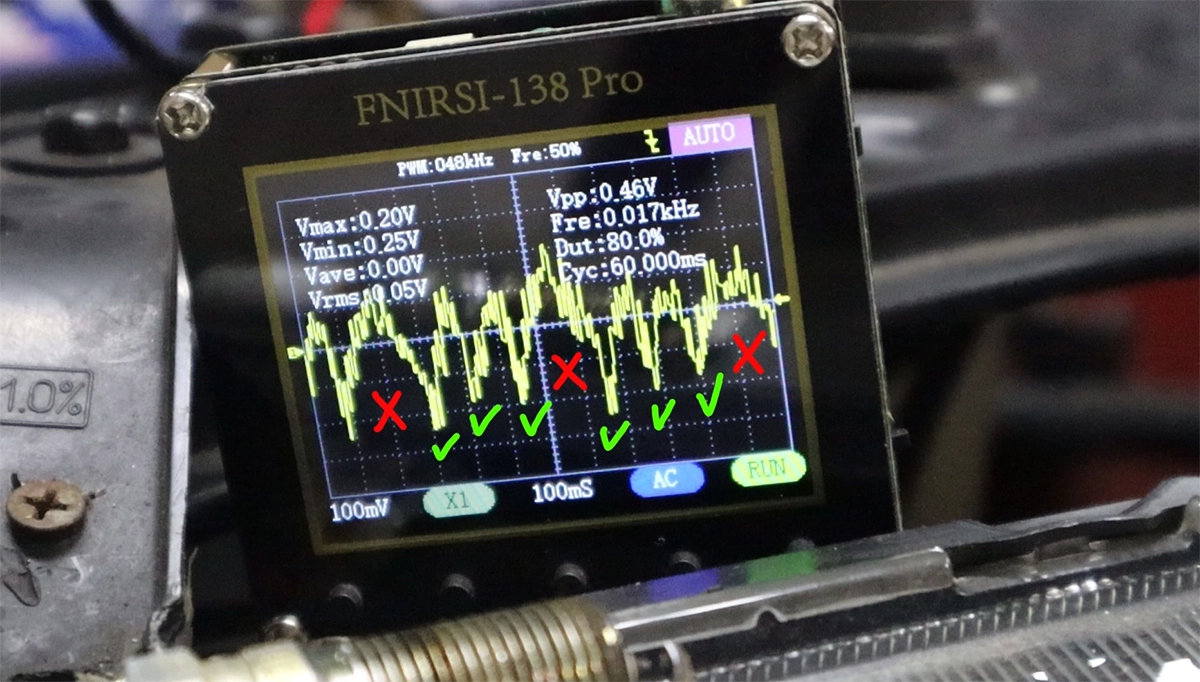
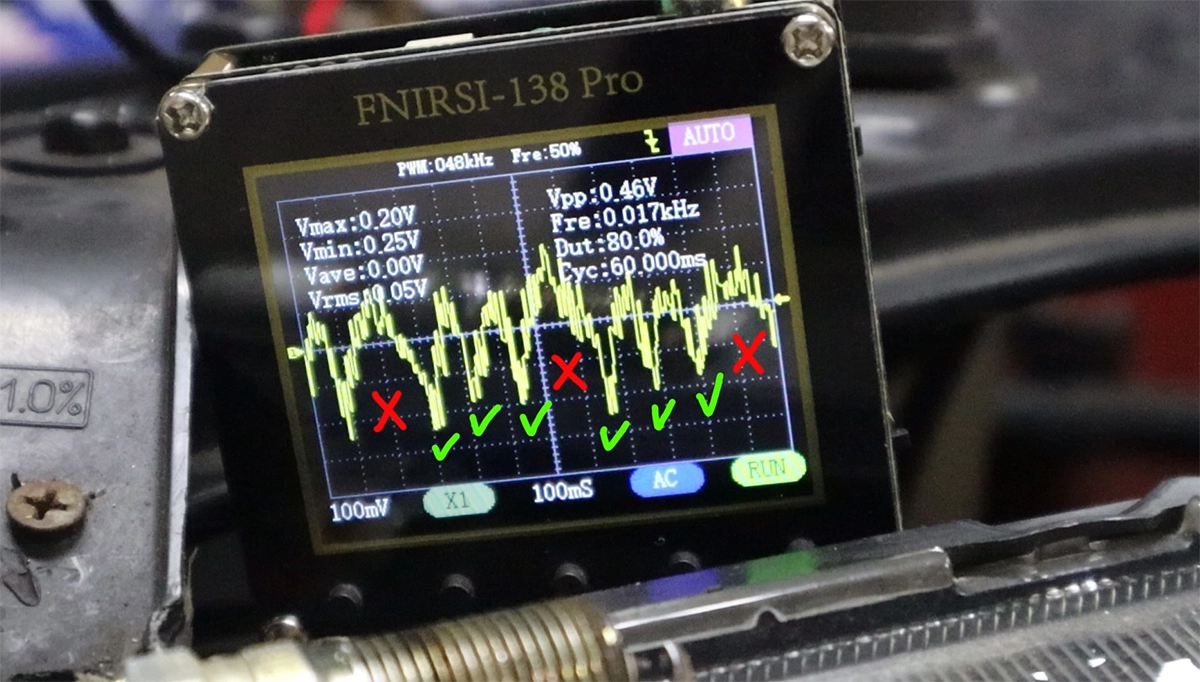
Relative compression test is a diagnostic method that uses an oscilloscope connected to the battery to analyze voltage drops while the engine is cranking.
Each voltage drop represents one cylinder’s compression stroke.
✔ Equal drops = good compression
✔ Missing or weak drop = compression problem
✅ How to read the results
Each dip in voltage = one cylinder
Normal result:
dip dip dip dip
All cylinders have similar drops → compression OK
Bad compression:
dip dip dip ___
Missing dip → cylinder with no compression
Real-world note (important insight)
Sometimes you may see slightly deeper dips on some cylinders.
✔ This can still be normal
✔ Always confirm with compression gauge if unsure
✅ When to use this test
- quick engine health check
- misfire diagnosis
- used car inspection
- before doing full compression test
- when you don’t want to remove spark plugs
Hi, I am Juraj Lukacko. I got frustrated by unhelpful and scammy mechanics, so I decided to learn everything about car diagnostics myself. I test dozens of new car diagnostic tools every month along with learning new strategies to fix and customize cars.